

Altcoin Market Collapse: Millions of Tokens Fail in 2025
**Altcoin Market Faces Harsh Reality: Millions of Projects Fail, Few Survivors Thrive**
In 2025, the crypto world saw a massive collapse — over 11.6 million crypto projects failed. At the same time, meme coins and artificial intelligence (AI) tokens hit sky-high prices briefly, only to crash soon after. While Bitcoin reached new all-time highs, most altcoins stayed far below their peak values — some by as much as 90%.
**Why Altcoins Are Falling Behind**
A well-known crypto analyst argues that this isn’t just a delay in the market cycle — it’s a deeper problem. The money in crypto is now mostly focused on Bitcoin and a few large assets. Smaller coins aren’t getting the attention or investment they used to. A lot of the money that once flowed into altcoins is now locked up in regulated Bitcoin investment funds like ETFs and corporate holdings.
This shift is making it harder for new or smaller projects to grow. It’s no longer just about waiting for the next “alt season” — the part of the cycle when smaller coins explode in price. The structure of the market itself may have changed.
**The Extinction of Small Projects**
The number of failed crypto projects in 2025 alone was larger than all previous years combined. This isn’t just a market correction — it’s being called an “extinction event” for altcoins. Many of the coins that did survive didn’t have much real use or value. Meme tokens and AI coins saw billion-dollar valuations, despite having no real users or products. Most of those have since crashed to near zero.
At the same time, there are still more than 70 layer-1 blockchains (like Ethereum alternatives) each worth over $100 million. But most of them have little to no user activity. The claim is that venture capitalists are simply passing money around while regular investors are left holding the bag.
**Big Money Stays in Bitcoin**
Charts show that more money is flowing into top cryptocurrencies and away from smaller ones. In 2021, we saw funds moving into small altcoins, driving up their prices. But since 2022, that trend has reversed. Now, capital is being pulled out of smaller projects and pumped into top assets like Bitcoin.
One reason is the constant release of new tokens — especially from early backers and venture funds. In just the first two months of 2026, around $4.6 billion worth of tokens entered the market. This rapid increase in supply puts downward pressure on prices unless there’s equally strong demand — which there isn’t right now.
Also, about $200 billion worth of Bitcoin is now held in U.S. ETFs and corporate treasuries like MicroStrategy’s. This money can’t legally be moved into altcoins due to regulations. So even if investors wanted to shift into smaller projects, they often can’t.
**Regulations and Lost Trust**
Upcoming laws like the Clarity Act could further divide the crypto space. It may create a two-tier system — one for top coins like Bitcoin and Ethereum that get legal approval, and another for everything else that’s kept out of mainstream finance.
The public image of crypto has also taken a hit. After high-profile collapses like FTX, Luna, and Celsius, many people outside the space now see crypto as a scam. Regulators didn’t kill altcoins alone — the industry hurt its own reputation.
Meanwhile, traditional markets are doing well. In 2025, the S&P 500 returned around 18%, and stocks like Palantir gained over 130%. Even gold and silver outperformed many altcoins. With safer investments offering solid returns again, there’s little reason for retail investors to return to high-risk crypto projects that have already cost them money.
**What Comes Next?**
A new altcoin boom isn’t completely off the table. It could happen if developers start building real products with actual users and revenue. But a repeat of the 2021 “everything pumps” cycle looks unlikely. If anything, there may be a shift toward a few trusted “blue chip” crypto assets while millions of other tokens stay dead.
For investors, this means rethinking how much of their portfolio is in crypto — especially altcoins. Experts warn that waiting around for another big alt season could mean missing out on gains in other markets. Crypto is still extremely risky, and putting all your hopes on it coming back strong might not be the best move.
The bottom line? The crypto world has changed. Big money is sticking with Bitcoin. Small projects are struggling to survive. Regulation is tightening. And trust has been broken. Betting on a wide recovery across all altcoins may no longer be about timing — it might be about whether the industry can earn back the trust it lost.
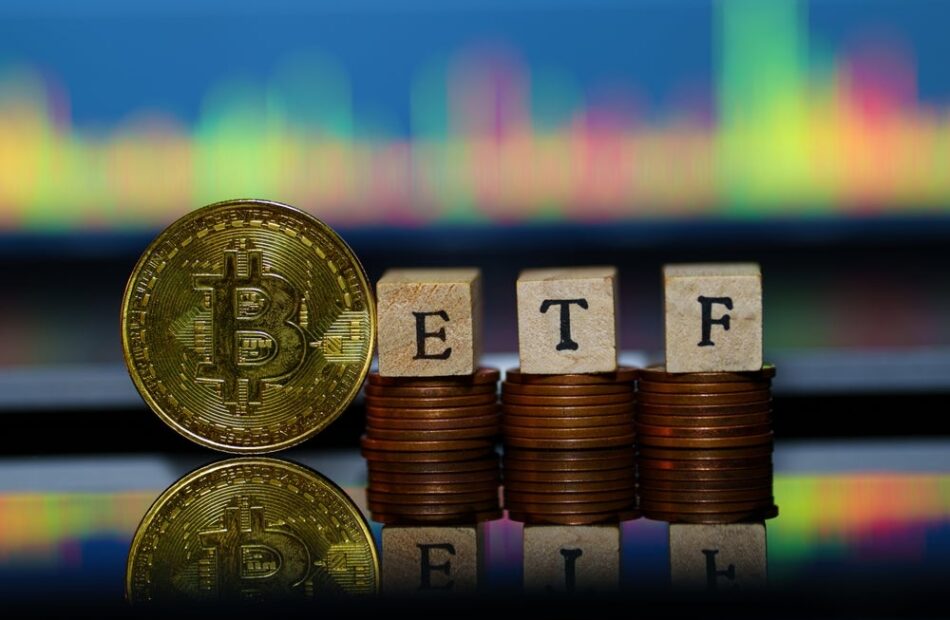
Crypto ETFs Gain Popularity as Mainstream Investments
**Crypto ETFs Are Becoming a Mainstream Investment Tool**
Cryptocurrency ETFs (exchange-traded funds) are no longer just niche products for hardcore crypto fans. They’re quickly becoming popular tools for investors looking to tap into growth and innovation—similar to how people invest in tech stocks or high-growth sectors. Roxanna Islam, Head of Sector and Industry Research at VettaFi, explains that many investors now treat crypto like a “sector” to express their belief in future technology trends, rather than just as a risky alternative asset.
**Crypto Is Still Unique, But It’s Acting Like Tech**
Even though crypto remains highly volatile, it’s increasingly being used in portfolios like other high-growth investments. Islam says crypto ETFs behave much like high-beta strategies—meaning they move a lot when the market moves. This makes them act similarly to sectors like artificial intelligence or semiconductors.
There are two types of crypto ETFs: spot crypto ETFs and crypto equity ETFs. Spot crypto ETFs invest directly in assets like Bitcoin and Ethereum. Meanwhile, crypto equity ETFs invest in companies related to the crypto space, such as mining firms or blockchain developers. These equity-based ETFs often overlap with other tech themes, especially AI and fintech.
**Crypto Flows Act Like Tech—But More Extreme**
Investor money tends to flow into crypto ETFs during bullish markets, just like it does with tech stocks. When markets are hot, crypto ETFs attract a lot of attention. But when things cool down, that interest drops quickly. Islam notes that crypto ETF flows are more intense—like tech stocks on steroids. They respond fast to news headlines and macroeconomic shifts.
During strong market rallies, crypto ETFs often compete directly with technology funds for investor money. However, due to their higher price swings, they’re still seen as riskier than regular tech investments.
**Short-Term Traders vs. Long-Term Investors**
The behavior of investors in crypto ETFs is split into two groups. Some are short-term traders who jump in and out based on news and price moves. Others are long-term holders who stick with their investments even when prices drop. Islam points out that the steady growth in total assets under management shows that more people are starting to treat crypto ETFs as part of their long-term strategy.
There’s also a difference in how people use Bitcoin and Ethereum ETFs. Bitcoin funds are more often seen as long-term core holdings. Ethereum ETFs, on the other hand, tend to behave more like tech stocks and are used for shorter-term tactical plays in a diversified portfolio.
**ETFs Make Crypto Easier for Everyone**
One big reason for the rise in popularity is that the ETF format makes investing in crypto much simpler. You don’t need to set up a special wallet or deal with a crypto exchange. Islam says ETFs give investors exposure to cryptocurrencies with the same ease as buying any regular stock or fund—even though the underlying assets are still volatile.
**Crypto ETFs Could Be a Key Liquidity Source in Tough Times**
Looking ahead, crypto ETFs could play an important role during market downturns. Because they’re easy to buy and sell, they can be a go-to option for investors looking for quick liquidity. Islam adds that while some investors may pull back when prices fall, many long-term holders actually take advantage of dips to buy more.
**Key Takeaways:**
– Crypto ETFs are now used like growth sector investments, not just alternatives.
– Their behavior closely mirrors high-risk sectors like tech and AI.
– Investor flows into these funds rise sharply during rallies and fall during pullbacks.
– Bitcoin ETFs are treated more like core holdings; Ethereum ETFs act more like tech stocks.
– The ETF format makes crypto investing easier and more accessible.
– Crypto ETFs could provide liquidity during volatile markets.
**Relevant Keywords:**
crypto ETFs, Bitcoin ETF, Ethereum ETF, blockchain stocks, thematic investing, high-beta growth strategy, fintech, AI investing, sector allocation, ETF flows, market volatility, long-term investment strategy, short-term trading, investor behavior

Crypto’s New Era: Beyond the Bitcoin Halving Cycle
The crypto market might be changing, and the old four-year cycle driven by Bitcoin halving events could be losing its power. For years, Bitcoin’s halving—where rewards for mining are cut in half—was seen as the key event that triggered bull runs followed by crashes. But now, experts say the game is changing.
A recent study from Wintermute, a major market maker, says big players like financial institutions are having a bigger influence than before. Products like spot Bitcoin ETFs (Exchange-Traded Funds) are now pulling money in and out of the market in ways that don’t follow the old halving cycle pattern.
So far this year, Bitcoin is up about 7%, and that small gain has helped boost the entire crypto market. Money is flowing back into top cryptocurrencies, and momentum is building. But there’s a key resistance level that Bitcoin keeps hitting, and traders are watching closely to see if it can finally break through.
Wintermute and NYDIG Research believe this recent price rally isn’t just about investors taking on more risk. They say it’s tied to global events—like rising political tension in the U.S.—and changes in how money moves in and out of crypto.
One big reason for the renewed interest in crypto is growing political uncertainty. Investors are nervous about U.S. politics, including ongoing tensions between Donald Trump and the Federal Reserve. Trump’s attacks on Fed Chair Jerome Powell over interest rates have raised concerns about inflation, central bank independence, and a weaker U.S. dollar.
Bitcoin stands out because it isn’t controlled by any government. Its fixed supply makes it appealing when people worry about traditional currencies losing value due to poor policy decisions or inflation. As trust in fiat money declines, more people may turn to assets like Bitcoin that can’t be printed or manipulated.
There’s also a larger economic trend helping crypto: global money supply is hitting record highs. This kind of environment usually supports hard assets like Bitcoin and gold. While Bitcoin and gold don’t always move together, both are seen as rare stores of value that exist outside government control.
Another factor helping prices: less selling pressure. At the end of every year, investors often sell underperforming assets to offset gains for tax purposes. That wave of selling usually stops when the new year begins, giving markets some breathing room.
Wintermute also noted a deeper shift in how the crypto market works. Institutional tools like ETFs and trusts are now dominant, especially for large cryptocurrencies like Bitcoin and Ethereum. These tools bring in steady investment but don’t spread that money into smaller altcoins like they used to. This change means the typical “altcoin season” pattern—where gains from Bitcoin move into riskier coins—isn’t happening the same way.
Past events have also added pressure. In October, heavy liquidations wiped out traders on some exchanges. These platforms were left holding long positions, which added more selling pressure until they cleared out those trades.
The big question now: Is the four-year Bitcoin halving cycle still valid? Historically, halvings led to price surges followed by wider market booms and busts. But Wintermute believes that pattern may be breaking down. According to their analysis, 2025 didn’t deliver the kind of rally many expected after the last halving. This could mean crypto is becoming a more mature asset class, less driven by speculation.
In previous years, profits from Bitcoin typically flowed into Ethereum, then into mid-sized and small altcoins—a domino effect known as “rotation.” But Wintermute’s trading data shows that this pattern is getting weaker. Retail investors in 2025 focused more on stocks than crypto, especially hot sectors like artificial intelligence, rare earths, and quantum computing.
Looking ahead to 2026, Wintermute thinks the focus will shift away from hype and more toward where capital is moving next. This rotation of money could be a key reason why crypto prices may continue to rise this year.
For the next big breakout to happen, though, institutional demand needs to expand beyond just Bitcoin and Ethereum. ETFs and corporate buyers can’t stick to just a few assets forever. Signs of change are already showing up with new products like spot Solana (SOL) and XRP ETFs starting to trade. More altcoin ETF filings are also moving through the approval process.
Lastly, there’s what’s called the “wealth effect.” When big coins like Bitcoin or Ethereum go up, early investors see profits. Some of that money often flows into smaller altcoins, creating new waves of interest and price growth across the wider crypto market.
In short, crypto is evolving. The old four-year roadmap may no longer apply as new forces shape the way money moves in this space. Institutional investors, political uncertainty, macro trends, and shifting investor behavior are now driving the story—and they may push prices even higher in 2026.

ASX Set to Open Lower Amid Global Market Turmoil
**Good Morning! Here’s What to Know Before the ASX Opens – Wednesday, January 21, 2026**
Get ready for a rough start to your trading day. As of 7am Sydney time, ASX futures are pointing down 0.65%, setting the stage for a potential sell-off when markets open.
—
**Wall Street Took a Hit Overnight**
The major US stock indexes had a tough night:
– **Dow Jones** dropped 1.84%
– **S&P 500** fell 2.02%
– **Nasdaq** tumbled 2.25%
When the Nasdaq leads the drop, it’s usually a sign that investors are running from riskier stocks — especially tech.
So, what triggered this? Surprisingly, it all started in Japan. Bond yields there jumped sharply overnight. That caused a chain reaction — US Treasury yields rose, global bond yields climbed, and investors suddenly saw less value in future earnings. In simple terms: higher yields make stocks, especially growth stocks, look less attractive.
Big tech names took a hit:
– **Nvidia** dropped about 3%
– **Apple** came under pressure after Citi lowered its price target due to rising memory chip costs squeezing profit margins
– **Netflix** fell even after making a bold move to go all-cash in its bid for Warner Bros.
This wasn’t just about tech either. Ten out of eleven sectors in the S&P 500 were in the red. The only one that held up? Consumer staples — because no matter what happens in the markets, people still buy toothpaste and baked beans.
—
**Crypto Follows the Drop**
Cryptocurrencies also took a hit as market anxiety spread:
– **Bitcoin** dipped below US$90,000 for the first time in over a week
– **Ether** sank more than 7%
– **Solana** dropped over 5%
– **Coinbase** shares fell more than 5%
When macroeconomic pressure hits, crypto often reacts the same way: it drops fast.
—
**Opportunity or Warning?**
Some analysts are urging calm. Remember 2022? Bond yields soared back then too, and growth stocks got hammered.
Well-known tech analyst Dan Ives says this could be a **buying opportunity**, reminding investors that the AI trend is still just beginning.
Market watcher Tom Essaye agrees — but with caution. He says dips like this can be buying chances, but we may need to see another 3–5% drop before jumping back in.
—
**What’s Happening at Davos?**
At the World Economic Forum in Davos, global leaders are trying to soothe nerves:
– **China’s Vice Premier He Lifeng** said China wants to be both “the world’s factory” and “the world’s market” — signaling openness to global trade.
– **US Treasury Secretary Scott Bessent** said recent tariff fears were overblown and urged everyone to stay calm and avoid escalating tensions.
Investors are closely watching Davos for any surprises or major shifts in global economic policy.
—
**What to Watch Today on the ASX**
Today is shaping up to be busy and possibly volatile for local markets.
A number of big resource companies are reporting results:
– **Rio Tinto**
– **Beach Energy**
– **Evolution Mining**
– **Lynas Rare Earths**
– **Paladin Energy**
– **Yancoal**
These companies cover key areas like iron ore, uranium, rare earths, and energy — all sectors that are very sensitive to what’s happening with China and global currency moves.
—
**Commodity, Forex & Crypto Snapshot**
Keep an eye on these markets throughout the day as they react to global events and earnings reports.
—
**Other Market News You Should Know**
– Many investors believe the **resources sector bull run will continue into 2026**, after seeing strong returns recently.
– Japanese giant **Sumitomo** is eyeing Strategic Energy Resources (ASX:SER) for gold opportunities.
– A volatile healthcare earnings season is approaching — brokers are warning of possible turbulence.
– **Trading Halt:** 29Metals Limited (ASX:29M) has paused trading due to a capital raise.
—
Stay sharp today — between global bond moves, crypto drops, and major earnings reports, markets could swing fast.

IPO Genie: Revolutionizing Early Crypto Investing
**IPO Genie: The Most Talked-About Crypto Presale of 2026**
IPO Genie ($IPO) is quickly becoming one of the hottest crypto presales of 2026—and for good reason. It’s giving everyday people a chance to get in early on investment opportunities that were once only open to the ultra-rich and well-connected. With low entry costs, flexible exits, and a clear roadmap, IPO Genie is changing the rules of early investing.
### Why IPO Genie Is Getting So Much Attention
For years, the biggest profits from startups like Uber, Airbnb, and Apple went to insiders—venture capitalists, funds, and wealthy individuals who got in early. By the time regular investors could buy in, most of the easy gains were already gone.
IPO Genie is flipping that script.
Now, with just $10 and no special status required, anyone can join the IPO Genie platform and access promising early-stage deals. It’s crypto investing made easy, transparent, and open.
### What Makes IPO Genie Different
Traditional private investing is full of barriers:
– High minimum investments
– “Accredited investor” rules
– Long lockup periods (money stuck for years)
IPO Genie removes those limits. Here’s how:
– Minimum buy-in is just $10
– No special credentials required
– You can sell and exit your position anytime
That flexibility is a big deal. It gives you control over your money—even in early-stage deals.
### How IPO Genie Works
The platform is built around the $IPO token. Here’s what you do:
1. Buy and hold $IPO tokens
2. Get access to exclusive investment deals
3. Choose which opportunities to invest in
4. All investments are tracked on the blockchain for full transparency
There’s no hidden paperwork or secret meetings. Everything is open and visible on-chain, which makes it easier to trust and understand.
### A Tiered System That Rewards Loyalty
IPO Genie uses a tier system—Bronze, Silver, Gold, Platinum—to reward users who hold and stake more $IPO tokens. The more you hold, the higher your tier, and the better your benefits:
– Earlier access to deals
– Bigger allocations
– Exclusive opportunities
It’s like a VIP pass to better investments. And unlike many other crypto projects, it’s not just hype—it’s structured like a real membership platform.
### Key Features That Make IPO Genie Stand Out
1. **AI-Powered Deal Scoring**
AI Sentient agents analyze data and rate each investment deal so users don’t invest blindly.
2. **Staking Rewards & Lower Fees**
Holders can earn passive rewards and enjoy lower fees when using the platform.
3. **On-Chain Transparency**
Every step is recorded on blockchain—no hidden terms or fine print.
4. **Affordable Entry**
With token prices as low as $0.00011540 and only $10 needed to get started, this presale is built for regular investors—not just crypto whales.
5. **Exit Anytime**
Unlike traditional private investing where money is locked up for years, IPO Genie lets users sell their tokenized positions whenever they choose.
### Real Growth Backed by Real Events
IPO Genie isn’t just making promises—it’s showing progress through action:
– **November 2025 Airdrop:** Originally $30K prize pool increased to $50K due to high demand
– **Black Friday Bonus:** 30% bonus led to strong presale activity
– **Christmas Campaign:** 25% bonus kept the momentum going
– **Misfits Boxing Sponsorship:** Official sponsor in Dubai—huge global exposure
– **Referral Program:** Ongoing 15% bonus for sharing with friends
All of these moves show that IPO Genie is serious about building both a strong community and a lasting brand.
### Why People Are Watching IPO Genie in 2026
Crypto investors are always hunting for the next big opportunity. IPO Genie is gaining attention because it offers something rare:
– Early access to high-potential deals
– Low-cost entry ($10)
– Full control with flexible exits
– Real utility through staking and rewards
– Transparent on-chain investing
This isn’t just another token—it’s a new way to invest before the big money arrives.
### Leveling the Playing Field for All Investors
For decades, private investments were only open to the top 1%. IPO Genie is changing that by opening the doors to everyone. With simple rules, low entry points, and exit freedom, it gives power back to regular investors.
If you’ve been looking for a crypto project with real purpose, clear benefits, and long-term potential—IPO Genie should be on your radar. Don’t wait until it hits headlines everywhere. This might be your chance to get in early and still stay in control.
**Join the IPO Genie Presale Now**