
What Is the Metaverse? A Simple Guide for Beginners
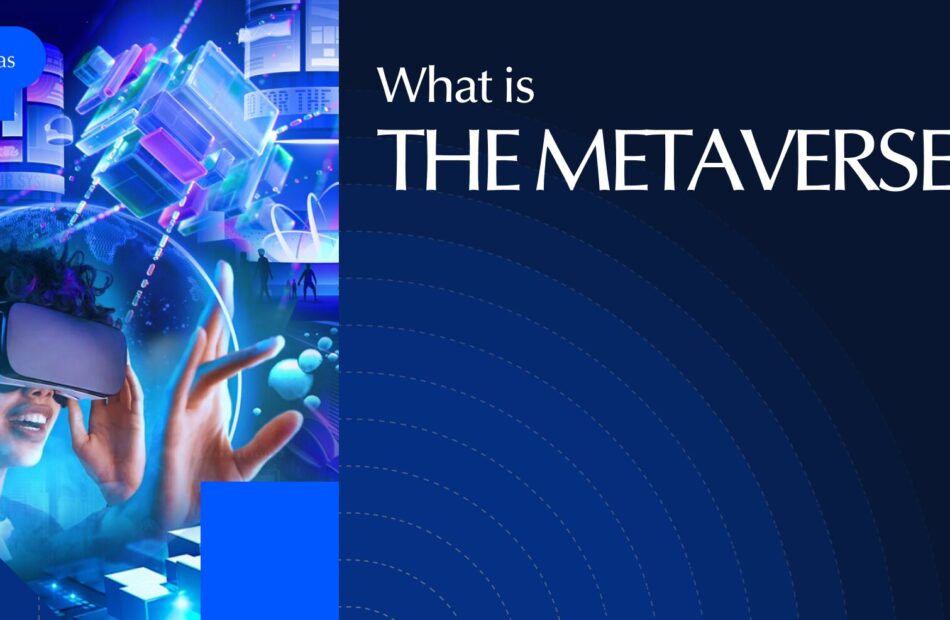
**What is the Metaverse and How Does it Work? A Simple Guide**
The metaverse is a shared, virtual world where you can play games, go to concerts, shop, meet people, and even work — all through your digital avatar. These virtual spaces are powered by advanced tech like virtual reality (VR), augmented reality (AR), artificial intelligence (AI), 3D modeling, blockchain, and more.
Let’s break it down in simple terms and explore what the metaverse is, how it works, and what you can do in it.
—
### What is the Metaverse?
The metaverse is a digital universe made up of 3D worlds where people use avatars to interact. Think of it as the next level of the internet — instead of just looking at content, you’re inside it. You can walk around, talk to others, attend events, play games, or even build things.
An avatar is your digital self — a customizable character that represents you in the metaverse. You can style it however you want.
—
### A Brief History of the Metaverse
– **1962**: The first step came with Sensorama — a machine that gave a 3D motorbike ride experience.
– **1980s**: Early VR gadgets like headsets and gloves were invented.
– **1992**: The word “metaverse” was used in the sci-fi book *Snow Crash*.
– **2003**: Second Life launched — a virtual world where people could create and explore.
– **2009**: Bitcoin was created, leading to blockchain-based economies.
– **2014–2015**: NFTs and smart contracts came into play with Ethereum.
– **2021**: Facebook rebranded to Meta, sparking huge interest in the metaverse.
—
### Key Technologies Behind the Metaverse
#### 1. Extended Reality (XR)
This includes:
– **Augmented Reality (AR)**: Adds digital stuff like images or sounds to your real-world view using phones or tablets.
– **Virtual Reality (VR)**: Fully immersive experiences using headsets and motion controllers.
– **Mixed Reality (MR)**: Blends both real and virtual elements together. Devices like Microsoft HoloLens and Apple Vision Pro make this possible.
#### 2. Blockchain
Blockchain keeps the metaverse decentralized. It powers virtual currencies, NFTs, and DAOs (decentralized communities). It also helps keep records safe and unchangeable.
#### 3. Artificial Intelligence (AI)
AI helps make the metaverse smarter. It personalizes your experience, creates intelligent characters, and automates tasks.
#### 4. 3D Modeling
This tech creates lifelike digital versions of places and objects — from buildings to entire cities. It’s what makes the metaverse look real.
#### 5. Edge Computing
Edge computing boosts performance by processing data closer to users. This makes virtual worlds faster and smoother, reducing lag.
#### 6. Internet of Things (IoT)
IoT connects physical devices to digital spaces. It helps share data between the real world and virtual environments.
—
### How Does the Metaverse Work?
The metaverse runs on a mix of technologies — VR, AR, AI, blockchain, XR, 3D modeling, spatial computing, and IoT. Popular platforms like Sandbox, Roblox, and Decentraland are built on blockchain networks. They have their own currencies for buying digital items like land or accessories.
Most platforms are managed by DAOs — online communities that vote on how the platform is run. You access these worlds using a computer or phone, often with VR headsets or other wearables for a better experience.
—
### Top Metaverse Platforms
#### Decentraland
Built on Ethereum, Decentraland lets you buy land, attend events, build content, and customize your avatar with accessories. You can also visit NFT museums and digital galleries.
#### Axie Infinity
A gaming world where you collect creatures called Axies. You can battle them, trade them, or use them to earn tokens. There’s also land to buy and rewards to win through missions.
#### Sandbox
A user-powered gaming platform where players can build worlds using voxel-style graphics. You can buy land NFTs and design whatever you want — from games to art galleries.
—
### What Can You Do in the Metaverse?
– **Go to Events**: Attend concerts, parties, fashion shows, or conferences.
– **Create Content**: Design avatars, wearables, scenes, games, or NFTs.
– **Shop**: Buy digital land, clothes for your avatar, collectibles, and more.
– **Learn**: Access tutorials, articles, guides, and whitepapers.
– **Vote**: Help make decisions on platform updates if you’re part of a DAO.
– **Play Games**: Enjoy fun activities like role-playing games or challenges.
– **Explore & Socialize**: Visit new places and meet people worldwide.
—
### Benefits of the Metaverse
– **Remote Work & Collaboration**: Virtual offices let people work together from anywhere.
– **Training & Education**: Learn skills or attend classes using simulations.
– **Realistic Simulations**: Businesses use it to test ideas or train workers.
– **Sustainability Awareness**: Metaverses can show how climate change works through simulations.
—
### Risks of the Metaverse
– **Identity Theft**: Avatars can be copied; data might be misused.
– **Health Issues**: Too much time in VR can cause motion sickness or stress.
– **Privacy Concerns**: Your behavior data might be collected or sold.
– **Cyber Attacks**: Hackers can steal your crypto or NFTs.
– **Lack of Regulation**: Many platforms don’t follow legal rules; hard to get help if something goes wrong.
– **Performance Issues**: Tech glitches or slow networks can affect your experience.
—
### Big Companies Building the Metaverse
#### Epic Games
Makers of Fortnite and Unreal Engine. Partnering with Unity to build an open gaming metaverse.
#### Apple
Created Vision Pro headsets for next-level AR/VR experiences.
#### Nvidia
Their Omniverse tools help developers build realistic 3D environments and simulations.
#### Meta (formerly Facebook)
Launched Horizon Worlds for social VR experiences. Also building AR/VR devices through Reality Labs.
—
### Future of the Metaverse
– **Marketing**: Brands will create interactive ads and stores inside virtual worlds.
– **Healthcare**: Doctors can train in VR or consult patients remotely.
– **Retail**: Virtual shopping malls and digital-only products will become more common.
– **Industry**: Virtual twins of factories or cities help improve processes safely.
—
### Final Thoughts
The metaverse is still evolving but holds massive potential across entertainment, business, education, healthcare, and more. As technology improves and more people join in, we might see one giant connected virtual world in the future — just like a real-life version of the internet you can walk through.
Whether you’re here to play games or explore new ways to work and learn — the metaverse has something for everyone.