
Cardano Plans Gradual Shift to Post-Quantum Security
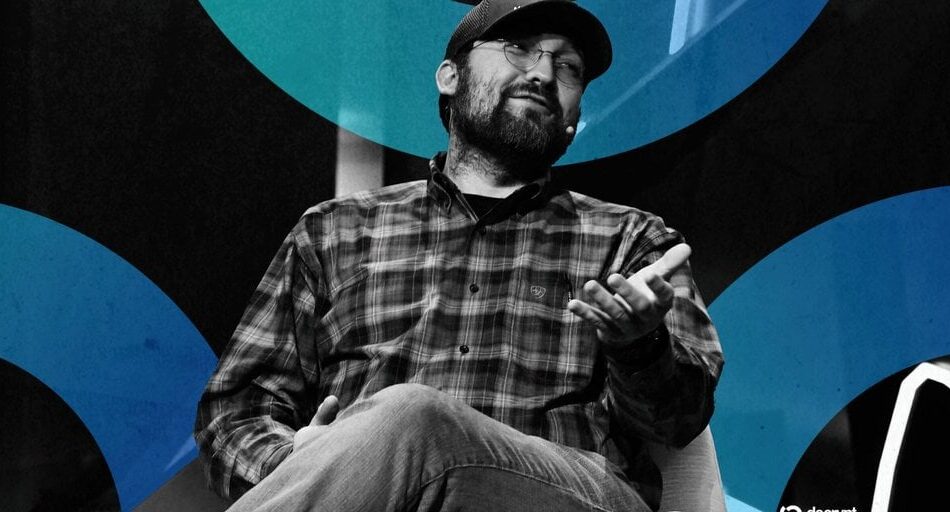
Cardano founder Charles Hoskinson recently shared his thoughts on how blockchain networks, including Cardano, are preparing for the potential threat of quantum computers. While the fear of quantum attacks is real, Hoskinson stressed that the key issue isn’t about what changes to make—it’s about when to make them.
Quantum computers could eventually become powerful enough to break the cryptography that secures most blockchains today. But experts still debate when that might happen—it could be a few years away, or it might take decades. Until then, jumping too early into new cryptographic systems could slow down blockchain performance and come with heavy costs.
Hoskinson pointed out that post-quantum cryptography (PQC)—a type of security that can withstand attacks from quantum computers—is already being developed. In fact, the U.S. National Institute of Standards and Technology (NIST) released new post-quantum standards in 2024. However, these new systems are often 10 times slower and more resource-heavy than current ones, which could drastically reduce the speed and efficiency of blockchains.
Instead of rushing to change everything now, Hoskinson believes in a more balanced approach. He recommends watching independent efforts like DARPA’s Quantum Benchmarking Initiative, which aims to figure out if practical quantum computing will be possible by 2033. This gives developers a more realistic timeline to work with, rather than relying on hype or corporate promises.
Cardano, like other blockchains such as Bitcoin, Ethereum, and Solana, currently uses elliptic-curve cryptography. This method is vulnerable to a future quantum computer running Shor’s algorithm, which could potentially crack these systems. But Hoskinson said the crypto world already knows how to defend against this—they just need to choose the right method.
There are two main paths forward: hash-based cryptography and lattice-based cryptography.
Ethereum is betting on hash-based methods. These use hash functions to create digital signatures and are believed to be safe from quantum attacks. They’re simple and reliable but limited mainly to signing data—not encrypting it or doing more advanced operations.
Cardano is leaning toward lattice-based cryptography. This approach uses complex math problems that even quantum computers are expected to struggle with. It allows for more powerful encryption and digital tools. Another bonus? Lattice systems can run efficiently on graphics cards (GPUs), just like AI processes, so they can reuse existing hardware without needing custom-built chips.
Still, Hoskinson doesn’t think it’s time for an all-out switch just yet. Instead, he supports a gradual rollout of protections. One idea is to start by creating secure “checkpoints” of the Cardano blockchain history using post-quantum signatures through technologies like Mithril and the Midnight sidechain.
He emphasized that every security upgrade comes with trade-offs. For example, moving from instant transaction finality to probabilistic finality means accepting slower confirmations in exchange for stronger protection.
In summary, Cardano is preparing for a post-quantum world but is doing so carefully. Rather than making drastic changes today, the focus is on staged upgrades and watching the tech landscape evolve—ensuring both security and performance stay balanced in the years ahead.