

Wall Street Near Highs as Fed, Inflation Watch Intensifies
Stocks on Wall Street stayed close to record highs after a massive $15 trillion rally since April, with traders now taking a breather. Investors are watching closely for comments from several Federal Reserve officials and an important inflation report that could impact future rate decisions.
The S&P 500 recorded its 27th all-time high this year but moved only slightly higher. Many believe the recent gains have already factored in good news, like the Fed potentially restarting interest rate cuts.
Experts are urging caution as stock valuations are now much higher than historical averages. UBS’s Mark Haefele says a pause or pullback wouldn’t be surprising after such a strong run-up. Goldman Sachs’ Tony Pasquariello echoed this, saying investors should remain “responsibly bullish” but avoid betting against the momentum of big tech stocks.
In the crypto market, over $1.5 billion in bullish bets were wiped out, showing less appetite for risk. Meanwhile, gold hit a new record high and silver continued its strong 2025 performance, now up over 50% for the year.
The bond market remained calm ahead of key Treasury auctions this week. The U.S. dollar dipped slightly as traders waited for more economic signals.
Looking ahead, investor focus is shifting toward how the Fed might respond to ongoing inflation in 2026. Morgan Stanley suggests if the government continues with pro-growth policies while the Fed cuts rates, corporate earnings could exceed expectations.
Friday’s upcoming inflation report is expected to show that core PCE—the Fed’s preferred inflation gauge—rose by 0.2% in August, slightly cooler than July’s 0.3%. On an annual basis, core inflation is still expected to be at 2.9%.
Several top Fed officials are scheduled to speak this week, including Chair Jerome Powell. These speeches could provide clues about future rate moves. However, analysts believe Powell will maintain his current stance and not shift his tone significantly.
Economists also expect the PCE report to reflect moderate increases in goods prices due to tariffs and slower inflation in services. Still, labor market data may hold more weight for the Fed’s decisions in the short term.
Investors are now thinking beyond 2025. Key drivers for 2026 will likely include company earnings growth, potential additional Fed rate cuts, and political uncertainty ahead of midterm elections.
At these elevated stock prices, it’s becoming harder for investors to find good value. Experts recommend focusing on specific companies rather than broad market bets.
**Corporate News Highlights:**
– **Oracle** is working on a deal to help recreate and secure TikTok’s U.S. algorithm as part of a plan to transfer ownership to American investors. The company also promoted Clay Magouyrk and Mike Sicilia to co-CEO roles, while Safra Catz becomes vice chair of the board.
– **ASML Holding** got a boost after Morgan Stanley expressed optimism over its AI-driven growth potential.
– **Kenvue Inc.** shares dropped amid concerns that Tylenol’s active ingredient may be linked to autism, according to sources reported by The Washington Post.
– **Pfizer** plans to buy weight-loss startup Metsera for $4.9 billion as it seeks to compete in the growing obesity drug market.
– **T-Mobile** announced COO Srini Gopalan will become CEO in November, replacing Mike Sievert.
– **MetLife** said its private equity and real estate investments are on track to meet Q3 earnings goals for the first time this year.
– **Compass Inc.** will acquire Anywhere Real Estate Inc., forming a residential real estate giant valued at around $10 billion.
– **ODP Corp.**, owner of Office Depot, is being bought by private equity firm Atlas Holdings for about $1 billion.
– **Strive Inc.** plans to acquire Semler Scientific Inc., combining two public firms that hold Bitcoin in their treasuries.
– **Porsche AG** shares fell sharply after cutting back electric vehicle plans, impacting margins and affecting parent company Volkswagen.
– **Roche** reported positive results from its breast cancer drug giredestrant, which helped patients live longer without disease progression.
– **BBVA SA** increased its takeover offer for Banco Sabadell by 10%, attempting to finalize a deal stalled by regulatory issues.
– **Samsung Electronics** surged after reports it received Nvidia approval for its advanced memory chips.
– **BYD Co.** dropped following news that Warren Buffett’s firm sold its stake in the Chinese EV maker.
**Market Snapshot:**
*Stocks:*
– S&P 500: +0.2%
– Nasdaq 100: +0.2%
– Dow Jones: Flat
– Stoxx Europe 600: -0.2%
– MSCI World Index: +0.1%
*Currencies:*
– U.S. Dollar: Slightly down
– Euro: +0.2% at $1.1770
– British Pound: +0.2% at $1.3495
– Japanese Yen: Flat at 147.88 per dollar
*Cryptocurrencies:*
– Bitcoin: -2% at $113,047
– Ether: -6.3% at $4,195
*Bonds:*
– U.S. 10-Year Yield: Steady at 4.14%
– Germany 10-Year Yield: Flat at 2.74%
– UK 10-Year Yield: Down slightly to 4.70%
*Commodities:*
– WTI Crude Oil: -0.3% at $62.50/barrel
– Spot Gold: +1.1% at $3,725.76/ounce
Investors remain cautiously optimistic but are watching economic data closely as they look for new drivers of market momentum heading into 2026.
The Future of Cryptocurrency: 7 Trends to Watch
**The Future of Cryptocurrency: What to Expect in the Next 5 Years**
Cryptocurrency has come a long way. What started as a small experiment with Bitcoin has turned into a major shift in the world of money and finance. Today, digital currencies are no longer just for tech experts — businesses, governments, and everyday people are now paying attention. Over the next five years, crypto will continue to grow and change in big ways.
Here’s a simple look at what’s coming next for cryptocurrency.
—
**1. Digital Payments Will Be Everywhere**
Using crypto to pay for things is getting easier. Big companies and online platforms are already starting to accept popular coins like Bitcoin, Ethereum, and stablecoins. Apps like PayPal, Cash App, and even some credit card companies now let you buy, send, or spend crypto.
In the future, you might see more stores and websites offering crypto as a payment option. It’ll also be useful for sending money across borders quickly and with fewer fees. As payment tools get better, using crypto could become as normal as using a debit card.
**Keywords:** digital payments, crypto adoption, Bitcoin payments, Ethereum payments, stablecoin transactions
—
**2. Governments Will Step In With New Rules**
Regulation is coming — and fast. Governments around the world are working on laws to make crypto safer and more stable. They want to protect users from scams but also allow room for innovation.
Expect clearer tax rules, stricter ID checks (KYC), and stronger anti-money laundering (AML) policies. Some countries might welcome crypto with friendly rules to attract investors and startups, while others might crack down harder.
Central Bank Digital Currencies (CBDCs), which are government-backed digital versions of regular money, are also on the way. These will change how crypto and traditional banking work together.
**Keywords:** crypto regulation, KYC, AML, CBDC, government policy
—
**3. DeFi Will Keep Growing**
DeFi stands for “Decentralized Finance.” It lets people lend, borrow, trade, and earn interest using crypto — without needing a bank.
Right now, DeFi platforms are popular with experienced users. But in the next few years, they’ll become more user-friendly and secure. Better apps, improved smart contracts, and audits will help make DeFi safer for everyone — even beginners.
DeFi could give people in countries with weak banking systems access to global financial services.
**Keywords:** DeFi growth, decentralized finance, crypto lending, smart contracts
—
**4. Stablecoins Will Play a Bigger Role**
Stablecoins are cryptocurrencies that stay close in value to something stable like the U.S. dollar. They’re great for everyday use because they don’t swing up and down in price as much as Bitcoin or Ethereum.
More businesses will start using stablecoins for things like paying employees or doing international trade. Governments might even create their own regulated stablecoins to make digital money safer.
These coins could help connect traditional finance with the new world of crypto.
**Keywords:** stablecoins, USD-pegged crypto, digital payments, regulated stablecoins
—
**5. Crypto + Tech = A Powerful Combo**
Crypto won’t grow alone — it’s teaming up with other new techs:
– **AI (Artificial Intelligence):** Smart bots can help with trading and security.
– **IoT (Internet of Things):** Devices could use blockchain to make tiny payments or share secure data.
– **Metaverse and Web3:** Virtual worlds and decentralized apps will use crypto for buying things, proving ownership, and managing digital identities.
All of this means crypto will be part of more areas in your digital life — not just your wallet.
**Keywords:** AI in crypto, IoT blockchain use cases, Web3 payments, metaverse tokens
—
**6. Crypto Will Go Greener**
Bitcoin often gets heat for using too much energy. That’s why many newer cryptos use greener systems like Proof-of-Stake (PoS), which cuts energy use by a lot.
Ethereum already made the switch to PoS, and more projects will follow. Mining with renewable energy is also gaining popularity. As people care more about sustainability, eco-friendly coins could become the top choice for investors.
**Keywords:** green crypto, sustainable blockchain, Proof-of-Stake, eco-friendly coins
—
**7. More People Will Invest in Crypto**
Crypto is no longer just for early adopters. Big banks and investment firms are starting to join the game. As governments set clearer rules, more institutions will feel safe investing in digital assets.
We’ll see more crypto ETFs (Exchange-Traded Funds), mutual funds, and easy-to-use platforms for everyday investors. Long-term holders — not just short-term traders — will help make the market more stable over time.
Crypto is becoming a serious part of investment portfolios around the world.
**Keywords:** institutional investment in crypto, retail crypto investors, crypto ETFs
—
**What’s Next?**
The next five years will be huge for cryptocurrency. We’ll see more rules, more ways to use it in daily life, and new tech making it smarter and greener. From stablecoins and DeFi to AI-powered tools and the metaverse — crypto is moving into the mainstream.
Yes, there are still challenges like regulations and price swings. But one thing is clear: crypto isn’t going away. It’s evolving into a key part of how we live, work, and spend money in the digital age.
**Keywords:** future of cryptocurrency, blockchain trends, crypto adoption trends

Tech Transforms Luxury Real Estate in 2025
**How Technology is Changing the Face of Luxury Real Estate in 2025**
Luxury real estate in 2025 isn’t just about beautiful homes in great locations. It’s now powered by cutting-edge technology that changes how properties are designed, built, sold, and lived in. From blockchain transactions to smart home systems, high-end real estate is becoming smarter, greener, and more valuable. Today’s investors aren’t just buying homes—they’re buying into innovative living experiences.
**Las Vegas: A Tech-Driven Luxury Destination**
Las Vegas has transformed into a hotspot for tech-infused luxury real estate. Developers are building homes with solar panels, smart energy systems, and even AI-powered features that adjust lighting, temperature, and security automatically. Properties like Blue Heron estates offer a perfect mix of modern design and green technology suited for the desert climate.
Luxury condos at places like Waldorf Astoria Las Vegas and One Queensridge Place include advanced features like biometric security and app-controlled concierge services. With no state income tax and a growing tech scene, Las Vegas is attracting global investors looking for high-end living combined with innovation.
**Why Investors Love Las Vegas:**
– Smart homes with energy-efficient systems
– Luxury condos with tech-driven services
– Tax-friendly environment plus fintech growth
**Miami: The Crypto Capital of Real Estate**
Miami has become a global leader in using cryptocurrency for real estate. Buyers are purchasing luxury condos using Bitcoin and Ethereum, making the transaction process faster and more secure. This has made Miami especially attractive to younger, tech-savvy investors from around the world.
High-end buildings like Ritz-Carlton Residences and Armani Casa use blockchain to manage property titles and enable quick, transparent transactions. This makes it easier for international buyers to invest without the usual red tape.
**Why Miami Stands Out:**
– Real estate purchases with crypto
– Blockchain ensures fast, secure ownership
– Popular with global investors seeking digital flexibility
**New York City: The AI-Powered Investment Hub**
New York remains the king of luxury real estate, but now it’s leading with artificial intelligence. Developers use AI to analyze market trends, predict property values, and find the best neighborhoods for future growth. This helps investors make smarter decisions.
Luxury towers along Billionaires’ Row come equipped with smart features like facial recognition entry, climate control systems run by AI, and app-based services that handle everything from laundry to food delivery. In NYC, technology makes luxury both personal and profitable.
**What Makes NYC a Tech Leader:**
– AI tools help predict high-value areas
– Smart buildings with top-tier digital amenities
– Strong global demand driven by fintech transparency
**Austin: Where Startups and Real Estate Collide**
Austin is one of the most innovative cities in the U.S., and its luxury real estate reflects that. Homes here are being built using modular construction and robotic technologies, making them faster to build and more eco-friendly.
Buyers want more than just nice homes—they want features like solar panels, smart air systems that clean indoor air automatically, and co-working spaces controlled through apps. As Austin grows with its booming startup scene, it’s becoming a magnet for forward-thinking investors.
**Why Austin is Booming:**
– Fast-building methods using robots and modular design
– Smart wellness features built into homes
– Growing tech population drives real estate demand
**San Francisco: The Green-Tech Real Estate Leader**
In San Francisco, sustainability meets smart tech. Many new developments are LEED Platinum-certified, meaning they meet the highest standards for green building. These luxury properties use smart glass to reduce heat, collect rainwater for reuse, and are powered by renewable energy sources.
On the investment side, new platforms allow people to buy shares of high-end properties using proptech tools. This opens up opportunities for more investors to get involved in San Francisco’s high-value market while staying environmentally conscious.
**What Sets San Francisco Apart:**
– Eco-friendly buildings with smart energy systems
– AI manages power usage for efficiency
– Proptech allows shared investment in prime properties
**The Future of Luxury Living is Powered by Tech**
Across the U.S., cities like Las Vegas, Miami, New York, Austin, and San Francisco are showing how technology is reshaping luxury real estate. Whether it’s smart homes in the desert, blockchain-secured condos by the beach, or AI-managed towers in urban centers—tech is now at the heart of premium living.
For investors, this trend means one thing: the smartest investments are happening where innovation meets lifestyle. With properties like Waldorf Astoria Las Vegas condos and Blue Heron estates leading the charge, the next generation of luxury real estate is here—and it’s tech-first.
Kraken Launches Crypto Bundles for Easy Investing
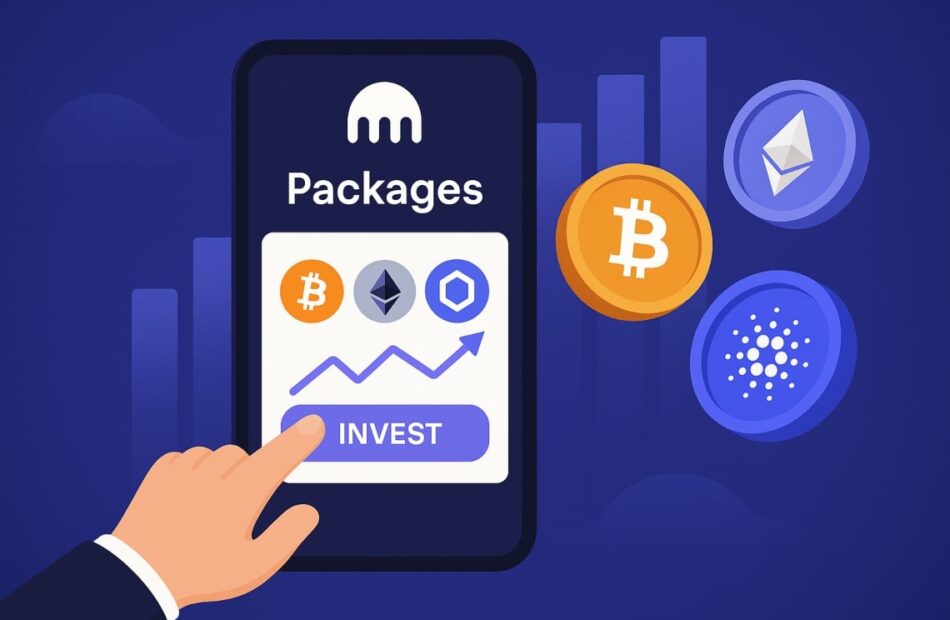
The world of cryptocurrency is changing fast, and more people than ever are getting involved. To help make crypto investing easier, Kraken has launched a new feature called “Bundles” in its app.
Bundles are designed to simplify crypto investing for everyone — from complete beginners to experienced traders. With just a few taps, users can invest in a group of popular cryptocurrencies, without needing to make multiple trades or constantly manage their portfolios.
Each bundle is carefully built around a specific investment strategy. Kraken handles the rest by automatically rebalancing the portfolio to keep it aligned with your goals. There are no trading fees when you buy a bundle, making it a cost-effective way to diversify your crypto holdings.
If you prefer to invest gradually over time, Kraken also lets you set up recurring purchases. This “set it and forget it” approach is ideal for long-term investors who want to build wealth without daily involvement.
Kraken’s Global Head of Consumer, Mark Greenberg, explains that crypto investing shouldn’t be complicated. Bundles help take out the guesswork and make it easy for anyone to grow their investment in a smart, structured way.
At launch, Kraken offers several bundle options to suit different needs and strategies:
– **Bitcoin + Ethereum Bundle**: For those who trust in the strength of the top two cryptocurrencies, this package includes 70% Bitcoin and 30% Ethereum.
– **Top Market Cap Bundle**: Offers balanced exposure to leading coins like BTC, ETH, SOL, DOGE, XRP, TRX, ADA, HYPE, LINK, and AVAX. Rebalanced every three months.
– **Strategic Reserve Bundle**: Inspired by U.S. reserve strategies, this bundle evenly splits funds across BTC, ETH, XRP, SOL, and ADA.
– **Memecoin Bundle**: A playful package focused on popular memecoins.
– **Thematic Bundles**: Includes unique themes like Inflation Hedge, DeFi Revival, AI & Crypto Fusion, World Liberty Holdings, and Bitcoin Meme Coins.
These bundles give users access to well-rounded crypto portfolios with minimal effort. In a market known for its ups and downs, bundles provide a simple way to manage risk and stay diversified.
Kraken’s research shows that 59% of investors use Dollar-Cost Averaging (DCA), which means they invest the same amount regularly to reduce risk and avoid emotional decisions. Bundles work perfectly with this strategy by automating the buying process and maintaining balance across assets.
The benefits of using Kraken Bundles include:
– Easy access to a mix of cryptocurrencies
– No trading fees on bundle purchases
– Automatic rebalancing to stay on track
– The option for recurring buys
– A choice of strategies for every type of investor
This feature is part of Kraken’s bigger goal: to make crypto investment easy, secure, and available to everyone. From launching tools for U.S. stock trading to creating a global app that supports over 300 currencies (crypto and fiat), Kraken is building a full ecosystem for financial freedom.
With Bundles, Kraken removes the technical barriers that often scare off new users. It gives people a smarter way to invest in crypto without needing deep market knowledge.
In today’s world where users want simple and safe financial tools, Kraken stands out as a reliable platform for exploring the growing potential of digital assets.
Nvidia Soars on $100B OpenAI Investment Plan
**Nvidia Stock Jumps Over $180 After Huge $100 Billion OpenAI Investment Plan**
Nvidia’s stock price has soared past $180 following a major announcement: the company plans to invest a massive $100 billion into OpenAI. This bold move is aimed at building powerful data centers to support the growing demand for artificial intelligence (AI). The news has created major buzz across both traditional financial markets and the crypto world, as Nvidia continues to play a key role in the AI revolution.
This investment shows Nvidia’s commitment to becoming a leader in AI infrastructure. The company plans to upgrade OpenAI’s computing power, helping it run more advanced AI models. This isn’t just big for Nvidia—it’s also sending signals to crypto investors. Nvidia’s GPUs, which were once heavily used for crypto mining, are now being used to power AI projects, especially in the Web3 and blockchain space.
Many crypto tokens connected to AI could see increased interest. Tokens like Fetch.ai (FET) and Render (RNDR) are already gaining attention. These coins support AI systems and GPU rendering, both of which align closely with Nvidia’s tech. Historically, when Nvidia stock performs well, these AI tokens also experience higher trading volumes. If Nvidia’s price stays above $180, investors might expect FET and RNDR prices to move up too, especially if institutional interest continues to grow.
This Nvidia-OpenAI partnership could also boost demand for decentralized computing tokens. FET enables AI agents to operate on blockchain networks, while RNDR supports creative industries using GPU power. In past rallies, FET has shown 15–20% surges in trading activity during Nvidia’s positive earnings reports. If momentum holds, traders may look at FET/USDT pairs with price targets between $0.50 and $0.70, based on recent blockchain data.
At a broader level, this move is likely to influence how investors approach both stocks and cryptocurrencies. The overlap between AI and crypto is becoming stronger. More institutional money could flow into hybrid assets that combine both technologies. This shift may also cause changes in Bitcoin dominance and Ethereum gas fees as trading activity picks up in AI-focused DeFi and NFT projects.
Traders are now watching Nvidia stock closely. If it continues upward, options traders might consider call options, while crypto investors could hedge with Bitcoin futures. After-hours trading volumes could spike as the market digests this news, potentially leading to similar moves in AI-related tokens by the next trading day.
Looking ahead, Nvidia’s $100 billion commitment shows that this isn’t just a short-term strategy—it’s a long-term bet on AI transforming industries. This could benefit projects like SingularityNET (AGIX), which use GPUs for decentralized AI services. However, risks remain. Regulatory issues around AI investment could impact Nvidia’s stock and affect market sentiment toward crypto.
Investors should monitor key market signals like the Nasdaq Composite Index and total crypto market cap. If Bitcoin stays above $60,000 during this period, we could see a 10–15% jump in the prices of smaller AI tokens in the short term.
From a technical analysis point of view, Nvidia’s recent price action may form a bullish pattern that suggests more gains ahead—possibly up to $200 if volume stays strong. On-chain data shows large investors accumulating FET tokens, which supports the bullish trend.
In summary, Nvidia’s huge investment in OpenAI is more than just a tech deal—it’s a trigger for major movements across stock and crypto markets. With AI and blockchain becoming more connected, this moment creates exciting opportunities for traders and investors who are ready to act on the latest trends.