

Blockchain Breakthroughs: Fast, Smart, and Investor-Ready
**Berachain and RedStone Push Blockchain Technology Closer to Web2 Speed**
Blockchain is getting faster and smarter. Berachain just announced a new proposal to cut transaction times to just 200 milliseconds. That means actions like trading crypto or playing blockchain-based games will feel as quick and smooth as using regular web apps like PayPal or Instagram. On top of that, they’re introducing an optional “fast lane” feature to make things even snappier for users who need speed.
At the same time, RedStone is shaking things up by partnering with Kalshi, a CFTC-regulated prediction market. This move allows decentralized apps to tap into real-world data like election results or interest rate changes across more than 110 blockchains—including Ethereum, Solana, and Base. This bridges the gap between traditional finance and blockchain tech, bringing more reliability and use cases to DeFi apps.
As blockchain infrastructure gets better, savvy investors are starting to look past just Bitcoin or Ethereum. Now, the spotlight is shifting to smaller, innovative projects that offer real utility. One standout is DeepSnitch AI.
—
**DeepSnitch AI: Making Smart Crypto Moves Easier for Everyone**
The crypto world often feels like it’s controlled by big players—whales and insiders who always seem to know what’s coming before everyone else. DeepSnitch AI aims to level the playing field. It uses five advanced AI agents to track, analyze, and alert users about important events across multiple blockchains in real-time.
In short, it gives regular users the kind of insights that were once only available to industry insiders.
DeepSnitch AI is also one of the few crypto presales that’s been audited by both Coinsult and SolidProof, which adds a layer of trust. It sits at the intersection of two hot trends: artificial intelligence and blockchain analytics. With its current price at just $0.01992 during its second presale stage, it has already raised over $458,000. That early traction shows there’s strong interest—and big potential.
For those looking for a low-cost entry into a project with real growth prospects, DeepSnitch AI could be one of the best altcoins to watch in 2025.
—
**Ethereum: $10K Price Target in Sight**
Ethereum is far from done. According to Fundstrat’s Tom Lee, ETH could hit $10,000 by the end of the year. That would be a 2.6x gain from its current price around $3,880 (as of late October).
Several factors support this bold prediction:
– Ethereum’s upcoming Fusaka upgrade could reduce block finality time to just 150 milliseconds.
– Staking continues to lower the circulating supply.
– Institutions are starting to treat staked ETH like a fixed-income product with yield.
Even though Ethereum is already a giant in the space, it still offers long-term potential—especially if institutional adoption picks up speed.
—
**Solana: ETF Buzz Could Send SOL to $200**
Solana (SOL) is also making waves. With talk of a Fidelity-backed ETF in the works, SOL could soon attract serious money from traditional investors. If that happens, a price target of $200 seems realistic.
Currently trading around $190 after a recent dip, Solana is still Ethereum’s fastest-growing competitor. The network recently launched its Block Assembly Marketplace to improve how transactions are ordered and reduce value loss from bots and front-running. Developers are excited—and investors should be paying attention too.
That said, Solana’s $106 billion market cap means it might not have room for explosive growth like smaller tokens do.
—
**Bottom Line: Big Upgrades Meet Big Opportunities**
The blockchain space is evolving fast. With Berachain slashing transaction times and RedStone bringing real-world data on-chain, the foundation is being laid for a new era of decentralized apps that feel just as seamless as their centralized counterparts.
But if you’re chasing high returns, early-stage projects with real utility and low entry prices are where you should look. DeepSnitch AI checks all those boxes—combining AI, security, and blockchain monitoring into one powerful platform. Still in presale mode, it could be one of the top cryptos for massive gains in the next bull market.
—
**FAQs**
**What makes DeepSnitch AI unique?**
It gives everyday users access to real-time crypto intelligence, previously available only to insiders. Plus, it’s fully audited for safety.
**Are Ethereum and Solana still good investments?**
Yes. Both have strong fundamentals and long-term value. But if you’re looking for bigger percentage gains, smaller projects like DeepSnitch AI might offer more upside.
**How will Berachain’s faster transactions help DeFi?**
With confirmation times as low as 200 milliseconds, DeFi apps and blockchain games will feel almost instant—making them more user-friendly and ready for mainstream use.
For more details or to get involved in the DeepSnitch AI presale, visit their official site.

Sunfort Portdex: AI-Powered Crypto Trading Platform
**Sunfort Portdex: A Smarter Way to Trade Crypto with Automation and AI**
Sunfort Portdex is a modern cryptocurrency trading platform designed for all kinds of users—from complete beginners to experienced traders. What makes it stand out is its use of artificial intelligence (AI) and automation to handle trades efficiently and intelligently.
At the heart of Sunfort Portdex is a powerful trading engine that constantly watches the crypto market. It uses advanced algorithms to analyze market trends and create personalized strategies based on your trading style and goals.
**Easy to Use, Even for Beginners**
Sunfort Portdex keeps things simple. The interface is clean and easy to navigate, whether you’re just starting out or have experience with automated trading. A demo mode is available so you can test the platform without risking real money. Once you’re comfortable, you can move on to live trading with just a few clicks.
You don’t need to sit in front of your screen all day. Once your trading parameters are set, the system takes over and executes trades automatically—even while you’re offline.
**Smart Automation for Better Results**
The platform runs 24/7, scanning the market in real-time. It picks up on subtle market shifts and turns them into smart trading actions. This helps reduce emotional decision-making and supports a more disciplined trading approach.
Sunfort Portdex allows you to trade across multiple exchanges at once, giving you more opportunities to profit from price differences between markets.
**Key Features and Benefits**
– **No licensing fees** – Anyone can join without extra costs.
– **Wide crypto selection** – Trade a variety of cryptocurrencies, not just one.
– **Secure environment** – SSL encryption protects your data.
– **Fast withdrawals** – Access your earnings quickly when needed.
– **Responsive customer support** – Help is available whenever you need it.
– **Demo account** – Practice before going live.
– **Affordable start** – Begin trading with just €250.
– **Flexible deposits** – Choose from different payment options.
– **Global access** – Available in many countries worldwide.
**Performance Highlights**
Sunfort Portdex scored high in our testing:
– **Account setup**: 4.9/5 – Fast, easy, and secure.
– **Functionality**: 4.7/5 – Smooth performance and quick trade execution.
– **Trading tools**: 4.6/5 – Great for both low-risk and high-risk strategies.
– **Customer service**: 4.9/5 – Helpful and professional support team.
– **Security**: 4.6/5 – Advanced protection with ongoing updates.
**Is Sunfort Portdex Legit?**
Yes, Sunfort Portdex is a reliable platform. It works with brokers regulated by CySEC (Cyprus Securities and Exchange Commission) who oversee account activities and provide expert guidance. The platform also uses military-grade SSL encryption to keep your data safe.
While some users may find the setup process includes a quick verification call, this step helps protect your account. Services may not be available in all regions, so check availability based on your location.
**User Feedback & Transparency**
Many verified users have shared positive experiences using Sunfort Portdex, especially praising its ease of use and trading efficiency. The development team includes experts from AI, finance, coding, and economics—though individual names remain private, which is standard in the crypto world.
**How to Start Using Sunfort Portdex**
Getting started takes about 20 minutes:
1. Fill out the short registration form with accurate information.
2. Deposit at least €250 to activate your account.
3. Use the demo mode to explore how everything works.
4. Once ready, switch to live trading and let the platform handle the rest.
**Tips for Smarter Trading on Sunfort Portdex**
– Work with a CySEC-certified broker for better account management.
– Stick to your budget—only invest what you can afford to lose.
– Withdraw profits regularly for safe keeping.
– Spend about 20 minutes daily reviewing your account activity.
– Keep records of your earnings for tax purposes.
Sunfort Portdex combines advanced technology with user-friendly design. Its automated features make crypto trading easier and less time-consuming, while its robust tools help users make smarter decisions based on real-time data.
With no license fees, strong security, fast withdrawals, and a wide range of supported cryptocurrencies, Sunfort Portdex offers a complete package for anyone looking to get into digital currency trading—whether you’re a cautious beginner or an active investor looking for automation.
Note: High-profile individuals like Jeff Bezos or Elon Musk are not associated with Sunfort Portdex. Any claims suggesting otherwise should be treated with skepticism.
This review is based on real testing, expert analysis, and verified user feedback to provide an honest look at how the platform performs in real-world conditions.

AI Predicts SOL, XRP, BNB Rally; MAXI Meme Coin Gains
**Disclaimer:** Crypto is a high-risk investment. This article is for informational purposes only and does not offer financial advice. You could lose all your invested capital.
—
**Microsoft’s Copilot AI Predicts New Highs for Solana, XRP, and BNB This Quarter**
Microsoft’s Copilot AI has made bold predictions for major cryptocurrencies like Solana (SOL), XRP, and Binance Coin (BNB), suggesting they could reach new highs in the coming weeks. These forecasts come amid mixed signals from the broader economy, including global market jitters following former U.S. President Donald Trump’s announcement of 100% tariffs on Chinese imports — a move that led to one of the worst single-day sell-offs in crypto markets recently.
With the Federal Reserve’s next interest rate meeting approaching, many investors are waiting to see if there will be any shift toward easier monetary policy, which could boost interest in riskier assets like crypto.
Despite recent price dips, experienced analysts believe this correction might be healthy for the long run. Sharp declines often eliminate excess leverage in the market, creating room for more stable growth.
—
**Solana (SOL) Price Forecast: Could Break Past $290 Soon**
Solana continues to grow as a powerful blockchain platform, known for its fast transactions and low fees. It now has a market cap over $104 billion and holds more than $11 billion locked in its DeFi ecosystem.
There’s growing buzz that a spot Solana ETF might be approved soon in the U.S., potentially bringing in big money from institutional investors—similar to what happened with Bitcoin and Ethereum after their ETFs launched.
Solana is also gaining attention for its role in tokenizing real-world assets and expanding stablecoin use—both areas that are seeing more interest from big financial players.
After peaking at $250 in January and dropping to $100 in April, SOL is now back near $191. Technical signs show the price might be undervalued, and recent patterns suggest a bullish breakout is forming. Copilot AI believes SOL could hit $290 or even surpass its all-time high of $293.31 by the end of this month.
**Keywords:** Solana price prediction, SOL ETF, Solana forecast, DeFi, tokenization
—
**XRP (Ripple) Price Prediction: Big Upside Potential Toward $10**
According to Claude AI’s projections, XRP could surge to between $5 and $10 by year-end. That’s a huge jump from its current price around $2.49.
Earlier this year, Ripple won its long legal battle with the SEC, boosting investor confidence and pushing XRP to a seven-year high of $3.65 on July 18.
Over the past 12 months, XRP has outperformed major cryptos like Bitcoin and Ethereum. Technical analysis shows bullish flag patterns throughout 2025, often a sign of upcoming price jumps.
If we see approvals for spot XRP ETFs or major new partnerships from Ripple, the price could easily push past $5. In an extremely bullish scenario, hitting $10 isn’t out of the question.
**Keywords:** XRP price forecast, Ripple SEC win, XRP ETF, XRP prediction
—
**BNB (Binance Coin) Outlook: AI Sees Climb to $1,600 Possible**
Binance Coin (BNB), originally created to lower trading fees on Binance, now supports a wide range of uses—from NFTs to payment services.
One key factor supporting BNB’s value is Binance’s token burn system, which reduces the supply over time and helps maintain price strength. BNB is also being accepted by merchants worldwide in industries like travel and gaming.
Earlier this month, BNB broke out of a bullish pattern and reached a new all-time high of $1,369.99 before falling back by about 19%. Right now, the Relative Strength Index (RSI) sits around 50—a sign that BNB is consolidating and may be ready for another move upward.
If momentum picks up again, Copilot AI predicts BNB could reach $1,600 soon. Key support levels are between $580 and $1,000 in case of another dip.
**Keywords:** Binance Coin prediction, BNB price target, Binance token burn, BNB outlook
—
**Meet Maxi Doge (MAXI): A New Meme Coin Gaining Traction**
Maxi Doge ($MAXI) is a new meme coin already making waves in the crypto scene. The project raised over $3.7 million in its presale and markets itself as Dogecoin’s energetic cousin with a modern twist.
Built on Ethereum as an ERC-20 token, MAXI offers faster and more eco-friendly transactions than older meme coins like DOGE. The team behind MAXI is focused on community building through Telegram events, Discord chats, influencer partnerships, and trading contests.
The total supply is 150.24 billion tokens, with 25% allocated to a “Maxi Fund” for marketing and ecosystem growth. MAXI also offers staking rewards with yields up to 81% APY, though these returns will decrease as more users stake.
Presale pricing starts at $0.0002645 and will increase gradually based on funding milestones. Tokens can be bought using MetaMask or Best Wallet.
**Keywords:** Maxi Doge coin, MAXI crypto presale, meme coin staking, Dogecoin alternative
—
Stay updated on Maxi Doge via its official Telegram and X (formerly Twitter) channels.
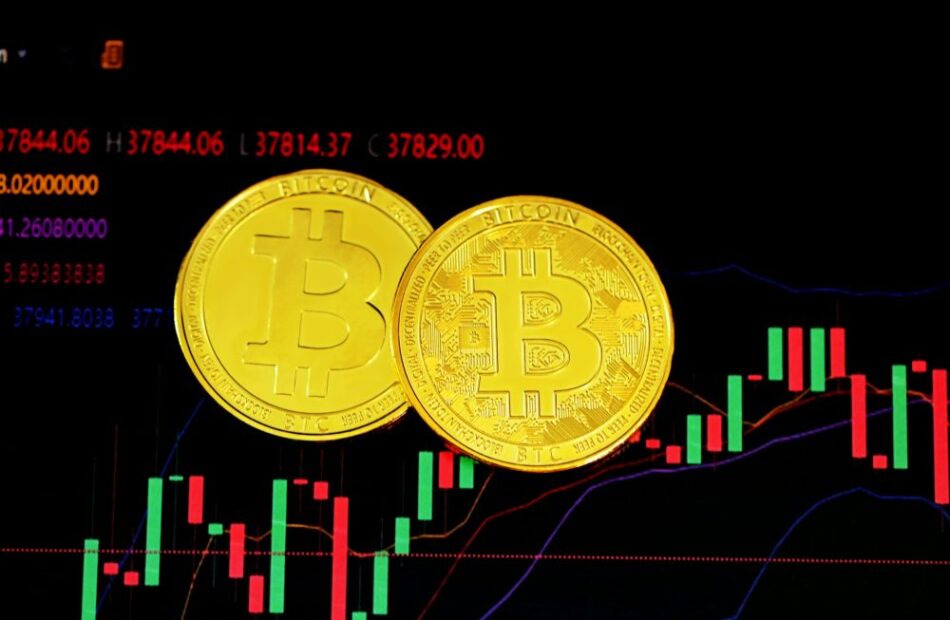
Bitcoin May Dip Below $100K Before Rally to $200K: SCB
Standard Chartered Bank, a long-time supporter of Bitcoin, is now warning that the cryptocurrency could temporarily fall below the $100,000 mark before making a strong comeback. Despite their usual optimism, the bank’s chief analyst, Geoff Kendick, believes a short-term dip is likely—but still expects Bitcoin to hit $200,000 by the end of the year.
Kendick points to several key factors influencing this outlook: investor behavior, ongoing inflows into Bitcoin ETFs, and a shift in investment from gold to BTC. However, he also highlights rising tensions between the U.S. and China as a major risk that could put pressure on global markets, including crypto.
Bitcoin has been hovering between $105,000 and $110,000 in recent days. Some experts see this as a sign that it’s finding a stable bottom. Kendick agrees there might be a drop below $100,000 soon, but says it won’t last long. He expects the market to bounce back quickly and push Bitcoin to new all-time highs later in the year.
One of the main drivers behind this potential rally is the growing popularity of Bitcoin exchange-traded funds (ETFs). These financial products make it easier for everyday investors to buy into crypto markets. At the same time, some traditional gold investors are beginning to switch their focus to Bitcoin as a digital alternative.
But not everything is looking up. Crypto-related stocks have taken a hit recently. For example, MicroStrategy (MSTR), one of the biggest public companies holding Bitcoin, saw its stock drop 7% in a single day. Ethereum-focused Bitmine Immersion (BMNR) also lost 7%. Bitcoin mining firms like Bitfarms (BITF) and Cipher Mining experienced even bigger losses, down around 12%.
These drops come after months of strong performance in the crypto sector. Many mining companies had benefited from excitement around using their computing power for artificial intelligence (AI) projects. Now, that rally appears to be cooling off.
So what’s next for Bitcoin? The market is currently under pressure, but there’s also potential for a breakout. At around $110,000, Bitcoin is still showing signs of strength. Weekdays tend to see more influence from institutional players and ETFs, while weekends are driven by retail investors—and occasionally by unexpected political statements from figures like former President Donald Trump.
Friday’s upcoming U.S. inflation data release could also shake things up. Depending on whether inflation comes in higher or lower than expected, Bitcoin’s price could react strongly in either direction.
In short, while short-term volatility might push Bitcoin below $100,000, strong market fundamentals—like ETF growth and shifting investor interest—could still drive it toward the $200,000 mark by year-end. Investors should stay alert and keep an eye on broader economic and geopolitical trends that may influence crypto prices in the coming weeks.
Keywords: Bitcoin forecast, Standard Chartered Bank Bitcoin prediction, Bitcoin ETF inflows, BTC price dip, Bitcoin vs gold investment, crypto market volatility, Bitcoin miners stock performance, Geoff Kendick Bitcoin analysis, U.S.-China trade tensions, inflation impact on crypto.
Blazpay (BLAZ): Top Crypto Pick for October 2025
**Top Crypto to Watch in October 2025: Why Blazpay (BLAZ) Could Be the Next 1000x Coin**
October 2025 is shaping up to be a big month for crypto investors. While major cryptocurrencies like Bitcoin, Ethereum, Solana, BNB, XRP, and Cardano are holding steady, they don’t offer the same explosive growth potential as newer coins. One new name catching a lot of attention is Blazpay (BLAZ) — a crypto project powered by AI that’s gaining momentum fast during its presale.
Right now, Blazpay is in Phase 2 of its token presale. It’s already 74.9% sold at a price of just $0.0075 per token. Once this phase ends, the price will jump to $0.009375. With its unique features like AI-based trading, smart payments, and easy-to-use DeFi tools, Blazpay is quickly becoming one of the best crypto coins to buy in Q4 2025.
—
### Blazpay (BLAZ): AI Meets Crypto for Huge Growth Potential
Blazpay is built with advanced AI to make crypto trading smarter and easier. It combines multichain support, automated payments, and tools to manage your crypto portfolio—all in one place. This means users can trade, pay, and invest without needing multiple platforms.
**Key Features:**
– **Perpetual Trading**: Trade crypto with no expiration dates using AI strategies.
– **Unified Services**: Access DeFi tools, NFTs, payments, and investments from a single dashboard.
– **Conversational AI**: Get AI-powered guidance for managing your portfolio.
**Investment Example**: If you invest $3,000 at the current price of $0.0075, you’d receive around 400,000 BLAZ tokens. If the price reaches $0.50, your investment could be worth $200,000—or even $375,000 if prices hit higher targets.
**Price Forecast**: Analysts see potential for 70x to 100x returns by late 2025 thanks to the rise of AI in crypto and the early-stage pricing advantage.
**How to Buy BLAZ Tokens:**
1. Visit [www.blazpay.com](https://blazpay.com)
2. Connect your wallet (MetaMask, Trust Wallet, or WalletConnect)
3. Choose ETH, BNB, or USDT for payment
4. Enter amount or click Max
5. Confirm and receive your tokens instantly
—
### Bitcoin (BTC): Stable but Limited Growth
Bitcoin remains the most well-known cryptocurrency with a market cap around $2.16 trillion. It’s trading near $109,500 and is popular among big investors as a store of value.
**What to Know**:
– Bitcoin could reach $120,000 by the end of the year.
– It’s reliable but doesn’t offer the fast growth of newer coins like Blazpay.
—
### Ethereum (ETH): Still the Smart Contract King
Ethereum powers most DeFi and NFT projects and is priced around $3,880. It has strong developer support and benefits from network upgrades like Layer 2 solutions.
**What to Know**:
– ETH faces resistance at $4,000.
– Trading volume is down about 15%.
– Long-term outlook is solid, but many investors are turning to early-stage projects like Blazpay for bigger gains.
—
### Solana (SOL): Fast Network with NFT Focus
Solana is known for high-speed transactions and low fees. It’s trading near $187.5 with a market cap of $87.4 billion.
**What to Know**:
– Recent price drops (around 16%) have made short-term performance uncertain.
– The network is growing in NFTs and dApps.
– Still promising, but not as explosive as early AI cryptos like Blazpay.
—
### Binance Coin (BNB): Powered by the Binance Ecosystem
BNB is tied closely to Binance Exchange and Binance Smart Chain. It’s currently priced around $1,112 with strong support from DeFi and NFT projects.
**What to Know**:
– BNB depends heavily on Binance’s ecosystem.
– Market volatility may limit fast gains.
– Good for stability but pairing it with high-upside plays like Blazpay makes sense.
—
### Ripple (XRP): Gaining Ground After Legal Wins
XRP focuses on fast cross-border payments and trades near $2.41 with a $135 billion market cap.
**What to Know**:
– Recent legal clarity helps restore investor confidence.
– Partnerships and adoption are growing.
– Solid use case, but Blazpay offers better short-term growth potential.
—
### Cardano (ADA): Slow But Steady Growth
Cardano is known for its research-first approach and long-term vision. It trades at about $0.626 with a market cap near $22.8 billion.
**What to Know**:
– ADA lags behind others in smart contract adoption.
– Upcoming upgrades could boost performance.
– Reliable long-term hold; however, early-stage tokens like Blazpay offer quicker rewards.
—
### Why Blazpay Is the Best Crypto Opportunity Right Now
Big-name coins like BTC and ETH offer stability—but if you’re looking for major gains, early-stage coins like Blazpay are where the real opportunity lies. With its AI-powered tools and low current price during presale Phase 2, investors can get in early before prices rise again.
Blazpay isn’t just another coin—it’s building a smart trading platform that brings together DeFi services, AI tools, and automated features for everyday users. That’s why it’s being called one of the best 1000x crypto opportunities this quarter.
**Join the Community & Learn More:**
– Website: [https://blazpay.com](https://blazpay.com)
– Twitter/X: [https://x.com/blazpaylabs](https://x.com/blazpaylabs)
– Telegram: [https://t.me/blazpay](https://t.me/blazpay)