
G-Knot Wallet Uses Vein Scanning for Crypto Security
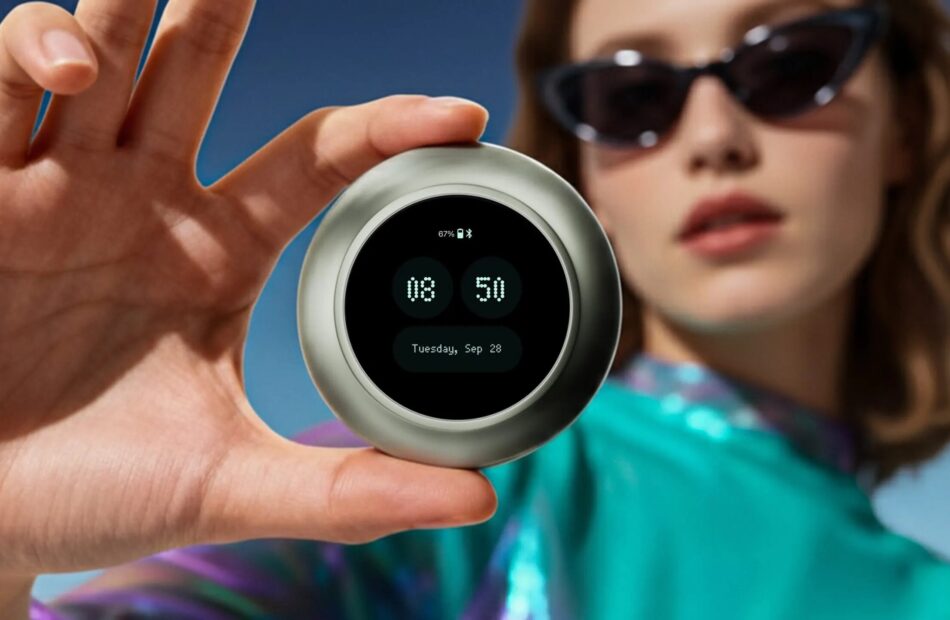
A new high-end crypto wallet called G-Knot is shaking up the way we think about cryptocurrency security. Priced at $299, this premium aluminum device uses advanced biometric tech to protect your digital assets — and it’s not your average fingerprint scanner.
The G-Knot wallet uses finger vein recognition, a next-level biometric method that scans the unique patterns of veins inside your finger. It works only when there’s blood flowing through your finger, which means it can’t be tricked with fake fingerprints, photos, or even a severed finger. This is the same type of biometric tech used by high-security facilities like the International Telecommunications Union in Geneva.
Most traditional hardware wallets like Ledger or Trezor use PIN codes and 24-word recovery phrases. These can be stolen, guessed, or forced out of you under pressure. G-Knot takes a different approach: it generates and stores your private keys using your vein pattern and keeps them locked away in a secure enclave that never exposes them to the outside world.
In simple terms, your crypto wallet stays locked unless your live finger is present. If someone tries to steal your crypto by threatening you, memorizing passwords won’t help them — your physical presence is required to unlock the wallet.
G-Knot supports five major cryptocurrencies: Bitcoin, Ethereum, Solana, BNB, and XRP. It also comes with a color touchscreen and AI-powered threat detection that watches for any unusual activity. In the future, the company plans to add multi-signature features, which will require approvals from multiple users in different locations for big transactions — adding another layer of protection.
Design-wise, G-Knot looks and feels like a luxury product. Its sleek aluminum build gives it a premium feel compared to more basic-looking competitors. It’s designed for users who take crypto security seriously and want an easy, password-free experience. Just touch the scanner and your wallet opens — no need to remember complex phrases or worry about someone spying on your PIN.
However, G-Knot is still new. It hasn’t gone through public security audits yet, and we don’t have real-world data on how accurate or reliable the vein scanning is. The presale is starting now, with only 10,000 units set to ship in January.
If you’re someone with a lot of crypto and serious concerns about safety, G-Knot might be worth the higher price tag. For others, it may be better to wait and see if this biometric technology lives up to its promise. Either way, G-Knot is part of a growing trend in making crypto wallets more secure and user-friendly — using your body as the key.