
Top 21 Fintech & Crypto Trends to Watch in 2026
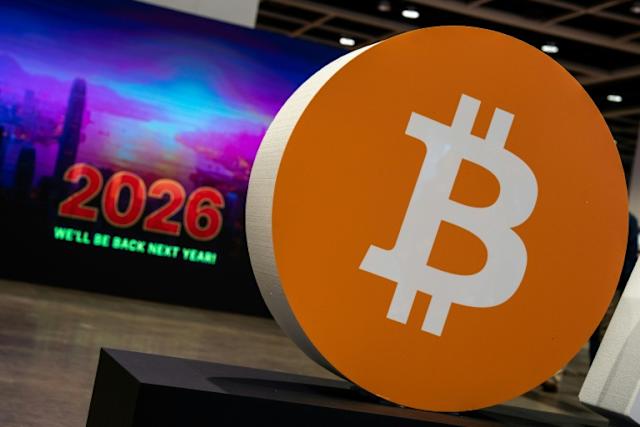
As we look ahead to 2026, fintech and crypto are entering a new era. The trends shaping the future are less about individual tools and more about big changes in how money, technology, and people work together. Here’s a simplified and straight-to-the-point breakdown of what to expect in 2026:
**1. Tech That Thinks Ahead**
By 2026, systems won’t just respond to user actions—they’ll predict them. This means smarter fraud detection, faster customer service, and better financial planning tools. AI becomes proactive, not just reactive.
**2. AI Becomes the Brain Behind Everything**
Artificial intelligence will move behind the scenes. Instead of being just a tool, it will quietly power decisions across banking, investing, and everyday money management. Think AI helping you make smarter choices without you even realizing it.
**3. Digital Tools Fade Into the Background**
In 2026, you won’t think about logging in or verifying your identity—everything will just work. Payments, compliance checks, and security will be built into your daily digital life, happening automatically in the background.
**4. Trust Will Be Everything**
Speed and innovation won’t be enough anymore. The real edge will come from trust—strong security, responsible governance, and resilience. The companies that invest in these areas will win customers’ loyalty.
**5. Fewer But Bigger Platforms**
We’ll see fewer fintech apps, but the ones that remain will be more powerful and interconnected. After years of experimentation, it’s time for consolidation—meaning stronger, unified platforms that do more.
**6. Real-Time Payments Take Over**
Instant payments are becoming the global standard. In 2026, expect faster transactions everywhere—from paying friends to settling invoices—thanks to real-time payment rails becoming the norm.
**7. Crypto Finds Its Place**
Cryptocurrency is no longer the wild west. Regulations are catching up worldwide, with stablecoins and tokenized assets becoming mainstream. This means safer, more trusted digital assets for both businesses and consumers.
**8. Central Bank Digital Currencies (CBDCs) Grow Fast**
More than 130 countries are exploring their own digital currencies. These CBDCs could change how governments issue money, making payments more efficient and secure.
**9. Sustainability Is a Big Deal in Fintech**
Green fintech is on the rise. Companies and investors are pouring money into tools that help track carbon emissions, invest responsibly, and meet climate regulations.
**10. Quantum-Proof Security Becomes Critical**
With the rise of quantum computing, data security is getting an upgrade. Financial institutions are moving toward quantum-resistant cryptography to protect against future cyber threats.
**11. Open Banking Expands Into Open Finance**
Open banking is evolving. By 2026, consumers will have even more control over their financial data across banks, insurers, and investment platforms—leading to smarter tools and better deals.
**12. Embedded Finance Is Everywhere**
Non-financial companies—from e-commerce sites to software platforms—will offer banking services directly within their products. This means users can borrow, invest, or pay without ever leaving the app they’re in.
**13. AI Personalization Becomes Standard in Banking**
Banks will use AI to offer hyper-personalized services based on your habits and goals—automatically managing your money, spotting savings opportunities, or suggesting investments tailored to you.
**14. Autonomous Finance Gets Real**
AI won’t just suggest actions—it will take them for you. In 2026, your financial assistant could switch your insurance provider or rebalance your portfolio without needing your input—based on real-time insights and your preferences.
**15. Compliance Becomes a Priority**
New laws around AI and financial operations mean that staying compliant is more important than ever. Companies that delay modernizing their systems will face heavy fines or lose customer trust.
**16. Tokenization Becomes the New Standard**
Everything from real estate to stocks could be digitized using blockchain technology. Tokenized real-world assets (RWAs) are set to become a core part of global finance—making trading faster and more transparent.
**17. Embedded Ecosystems Take Over**
Embedded finance will evolve into full financial ecosystems inside apps you already use—like accounting software offering loans or e-commerce platforms providing insurance—all powered by multiple integrated fintech services.
**18. Regulations Vary Globally**
While some regions like Europe push clear fintech rules, others remain fragmented. Global fintechs will need flexible models to comply with different regulations across countries.
**19. Crypto Grows Up**
Crypto is maturing fast—with predictions showing stablecoin supply could hit $1 trillion by 2026 and decentralized finance (DeFi) reaching $300 billion in total value locked (TVL). Meanwhile, regulated crypto investment products are expected to grow massively.
**20. Agentic AI Changes Everything**
Agentic AI—AI that acts independently on your behalf—is reshaping finance. From personalized investing to automated transactions, these intelligent agents are transforming how people interact with money.
**21. Banks Must Reinvent Themselves**
To stay relevant in 2026, banks need to:
– Build AI-first systems
– Maintain strong data governance
– Modernize old infrastructure
– Improve interoperability
– Move to cloud-native platforms
This transformation is essential for banks to compete with agile fintechs and meet rising customer expectations.
**Bottom Line: It’s All About Smart Finance**
2026 marks a turning point for finance: smarter systems, invisible tech, proactive AI, embedded services, tokenized assets, and trusted security frameworks all working together in real-time. The organizations that combine innovation with responsibility will lead the way into the next generation of digital finance.