
Vitalik Buterin Urges Crypto to Return to Its Roots
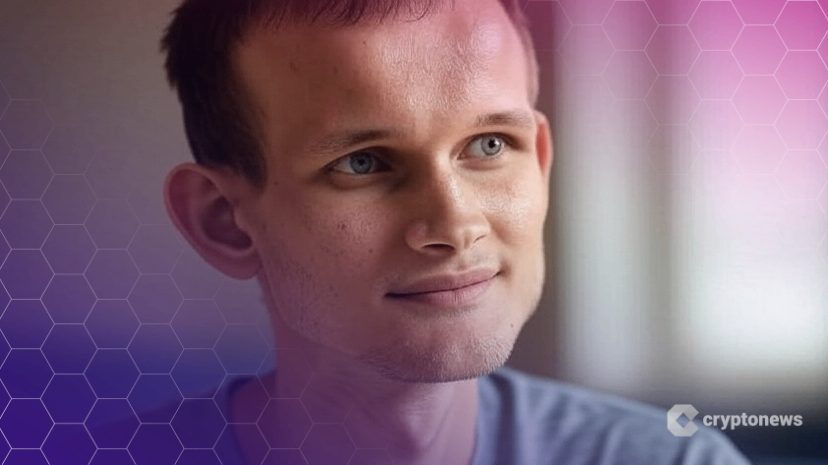
Ethereum co-founder Vitalik Buterin is urging the crypto community to return to its roots—building tools that give people more control over their digital lives, instead of chasing profits through risky financial apps and shady practices.
In a recent post on the decentralized social platform Farcaster, Buterin responded to Monad community member Tom Kruise by drawing a line between two visions of the internet: the “open web” and the “sovereign web.” He praised Bitcoin supporters for recognizing early on that true digital freedom means avoiding gimmicks like ICOs and overhyped tokens that can easily be manipulated for profit.
According to Buterin, the goal should be to create applications that protect user privacy, grow wealth in a safe way, and improve human productivity with ethical AI—not replace people or push them into dangerous financial decisions.
**From Fighting Governments to Resisting Big Corporations**
Buterin pointed out that digital sovereignty used to mean keeping governments out of your personal data. Today, the threat has shifted. Big corporations now use algorithms and ad-driven platforms to grab your attention, collect your data, and squeeze as much money out of you as possible. He calls this manipulation “corporate mind warfare.”
To fight back, Buterin says developers should build tools that don’t just follow trends. Instead, they should reflect real beliefs and serve real needs. He wants to see local-first apps that keep your data private, crypto tools that help people save or invest safely—not bet on 50x leverage or take loans for fast food.
He also believes AI should be designed to work alongside humans, not make people lazy or dependent. The goal is to boost human potential, not replace it.
**Fixing Crypto’s ‘Corposlop’ Problem**
Buterin introduced the term “corposlop” to describe platforms that look sleek and polished but are really just optimized for profit at the user’s expense. These products often pretend to empower users but actually trap them in closed systems and exploitative practices.
Social media is a big offender here. Platforms use algorithms to keep users hooked with quick dopamine hits instead of offering real value. They collect massive amounts of data and often sell it or fail to protect it properly.
Buterin also criticized tech ecosystems like Apple’s for creating walled gardens that prevent users from freely interacting across platforms. However, he did give Apple some credit for caring about privacy and having a clear long-term vision, even though he called on them to stop monopolistic behavior and open up more.
**The Path to Real Digital Freedom**
Looking ahead, Buterin wants developers and investors to focus on building decentralized social media platforms that let users control what they see and how they interact—without being manipulated by algorithms or advertisers. These platforms should aim for long-term community value, not short-term engagement tricks.
His message is clear: “Be sovereign. Reject corposlop and believe in something.” For Buterin, this isn’t just about coding—it’s about values.
This call for sovereignty comes as Ethereum continues to evolve. The network recently made major progress solving the blockchain trilemma—balancing scalability, security, and decentralization—through innovations like zero-knowledge EVMs and PeerDAS technology. These updates have already helped boost Ethereum’s adoption, with a 110% jump in new wallet addresses since December’s Fusaka upgrade.
Buterin also recently defended Tornado Cash developer Roman Storm, who is facing legal trouble after U.S. authorities accused him of criminal activity just for writing privacy-focused software. Buterin’s support highlights the ongoing battle to protect developers’ rights and keep crypto true to its original purpose: decentralization, privacy, and user empowerment.