Walrus Advances Decentralized Privacy on Sui Stack
Decentralization is one of those things you don’t really think about—until something goes wrong. Whether it’s a major cloud provider crashing and taking down half the internet, or a bank leak exposing private customer data, these incidents remind us why decentralization matters. And now, with the rise of AI and how it uses our personal data, the need for decentralized systems has never been more urgent.
Walrus is stepping up to solve this. They’re building a decentralized platform that doesn’t make you choose between speed, efficiency, user experience, and privacy. With Walrus, you get all four.
The past quarter has been busy for Walrus, with big updates and product progress. One of the key highlights involves their close relationship with Mysten Labs, the team behind the Sui blockchain. Adeniyi Abiodun, co-founder of Mysten Labs, was recently featured in a major a16z crypto report about the future of Web3 and AI. He emphasized the growing importance of privacy and “Secrets as a Service,” which is exactly what Walrus is working on.
According to a16z’s report, privacy will be one of the biggest themes in crypto through 2025 and beyond. And a16z doesn’t just talk—they invest big in the projects they believe in. This strong focus on privacy gives Walrus and similar projects a real boost in credibility and future potential.
Mysten Labs and others are building what’s called the “Sui Stack”—a Web3 tech stack that offers decentralized alternatives to traditional services like Amazon Web Services (AWS), MongoDB, and Cloudflare. Walrus, along with Seal, Nautilus, Deepbook, and Sui itself, forms the backbone of this new ecosystem. Walrus and Seal focus specifically on secure storage and access control, making them essential parts of this decentralized future.
If you’re following the Sui ecosystem, you’ll know that both Sui and Solana are positioning themselves as top options for retail users and developers looking for alternatives to Ethereum. The tools being built around Sui—like the Sui Stack—are making it easier and safer to build decentralized applications.
One of Walrus’ earliest partners, Tusky, has also been using Walrus’ decentralized storage with added encryption for their users. Unfortunately, Tusky recently announced it will be shutting down operations. But because data stored through Walrus is decentralized, it’s still safe and accessible—Tusky shutting down doesn’t mean your files are gone.
Users have until January 19th to move their files from Tusky. Thankfully, Walrus and partners like Zark Labs have created an easy-to-follow migration guide so that no data is lost in the process.
This situation with Tusky proves one of the biggest benefits of decentralization—your data doesn’t depend on one company staying in business. As long as it’s stored through a decentralized protocol like Walrus, you can always access it.
On a positive note, there’s been a recent uptick in the $WAL token value. After hitting a low of 11.5 cents at the end of December, it’s now climbed to 13.3 cents—a 13% jump in just one week. This could be an early sign that the crypto market is starting to recover after a tough fourth quarter.
With consistent product updates and strong positioning within the Sui ecosystem, Walrus is showing strong potential for long-term success. Their focus on decentralization, privacy, and efficient infrastructure aligns well with where the Web3 space is headed.
Please remember: this content is for educational and informational purposes only and should not be taken as financial advice. Always do your own research before investing in any cryptocurrency or blockchain project.

Husky Inu AI Prepares for Price Hike Amid Market Shifts
Husky Inu AI (HINU) is getting ready for another price increase in its pre-launch phase. The token’s value will go up slightly, moving from $0.00024865 to $0.00024960. This price change is part of the project’s strategy to raise more funds and support its growing community before the official launch.
The pre-launch phase for Husky Inu AI started on April 1, 2025, right after the presale ended. These small and regular price increases help the project gather funding to improve its platform, launch marketing campaigns, and grow its ecosystem. The official launch is scheduled for March 27, 2026, but the team might adjust the date based on future review meetings. The first two meetings took place on July 1 and October 1, 2025, with another planned for January 1, 2026.
Fundraising had slowed down near the end of 2025, mostly due to a market crash in October that affected investor confidence. However, things have started to turn around. So far, Husky Inu AI has raised $919,259. The project hit major milestones this year—crossing $750K in May, $800K in June, $850K in July, and $900K in October. Recently, more investors are showing interest again as overall market sentiment improves.
Meanwhile, the broader cryptocurrency market is still under pressure. Bitcoin (BTC) dropped below the $90,000 mark, falling as low as $89,761 before bouncing back to around $90,554. It’s down about 3% over the past 24 hours. Ethereum (ETH) also fell nearly 4%, hitting a low of $3,097 before recovering slightly to trade around $3,219.
Altcoins are also feeling the heat. Ripple (XRP) lost nearly 7%, now trading at $2.12—though it remains up over 15% for the week. Solana (SOL) couldn’t regain its $140 level and is now at $135, down about 2.5%. Dogecoin (DOGE) dropped over 4% to $0.144. Chainlink (LINK), Stellar (XLM), Hedera (HBAR), Litecoin (LTC), Toncoin (TON), and Polkadot (DOT) have all seen noticeable losses in the last day.
In Washington D.C., crypto industry leaders are working closely with lawmakers ahead of a key vote on digital asset regulations. A markup session for new crypto legislation is scheduled for next week. Cody Carbone from The Digital Chamber said the group has been helping shape the new rules by working with companies across the crypto space—like exchanges, token creators, banks, miners, and DeFi projects.
The Senate Banking Committee is set to vote on a major crypto market structure bill on January 15. There’s also a chance that the Senate Agriculture Committee could hold a vote on its own version of the Responsible Financial Innovation Act (RFIA) around the same time.
These developments could bring big changes for crypto regulation in the U.S., as lawmakers try to create clearer rules for digital assets and blockchain technology.
Top Online Casinos: Bonuses, Slots & Live Dealer Games
Looking to get the most out of your online casino experience? Start with a no-deposit bonus or promo code for existing players – some sites offer fast wins like a 50% match or more. If you hit a win, consider walking away with your profit. Stretch your funds by splitting your deposit into smaller amounts – for example, divide $200 into four $50 bets. This helps manage your bankroll and play longer.
Live dealer games are a big deal right now. Providers like Evolution, Pragmatic Play Live, and BetGames.tv stream games 24/7 in multiple languages from various studios around the world. Companies like Ezugi and iSoftBet also offer cool features like side bets, adjustable betting speeds, and the ability to bet behind others. Baccarat is one of the top picks for serious players, especially with a 98.94% return-to-player (RTP) rate on banker bets.
Since 2015, Gambino Slots has been offering over 150 unique social slots with daily jackpots. You can buy virtual coins using Visa, Mastercard, PayPal, Apple Pay, or Google Pay. They also have a referral program – invite friends and earn bonus rewards.
Festival Citi Casino, launched in 2022, brings a fun carnival-style vibe with 600+ slots, video poker, and jackpot wheels. It supports payments via Visa, Mastercard, PayPal, Skrill, and ACH bank transfers. Newer to the scene is Betcoin.Social, which arrived in 2023 with over 1,000 high-volatility slot games plus roulette and multiplayer crash games. It supports Bitcoin, Ethereum, Litecoin, Visa, and Mastercard.
Stardust Casino relaunched online in 2021 for players in New Jersey and Pennsylvania. It offers over 600 slots, single-hand blackjack, and live dealer roulette – all under the trusted Boyd Gaming brand.
All the casinos we talk about are fully licensed in at least one U.S. state. We don’t feature offshore or unregulated platforms. This means you get secure payouts, responsible gambling tools, and protection under U.S. gaming laws.
Progressive jackpot slots are linked across multiple casinos, building prize pools that can reach millions. Classic slots mimic old-school machines with fruit symbols and simple gameplay. Every trusted online slot uses certified random number generators (RNGs) to ensure fair outcomes.
High-volatility slots give you bigger wins less often – ideal if you’re chasing large payouts and don’t mind waiting. Low-volatility games offer smaller but more frequent wins. Some games include skill-based bonus rounds or special features for more interactive play.
Before jumping in, always check withdrawal rules and identity verification steps. Symbols change randomly on each spin to form new winning combos. A tiny percentage of every bet adds to the progressive jackpot until someone hits it big.
A good casino makes it easy to find what you’re looking for – whether it’s jackpots, themed slots, or live tables. For example, titles like “A Night With Cleo” and “777 Deluxe” offer fun experiences with decent payouts. One player even doubled her deposit in under an hour!
If you win over $15,000, some casinos pay out in monthly installments of up to $15K per month. Red Dog Casino is known for easy transactions with crypto like Bitcoin and Ethereum, plus traditional methods like debit cards and e-wallets.
You can fund your account using Bitcoin, Ethereum, or Litecoin – crypto users can claim up to $3,000 total on their first deposit. The minimum deposit is $20 for crypto and $30 for card payments.
Some standout slots include “Mad Scientist Cracking Beakers,” which features puzzle-style bonuses and random lab effects. Many games use cascading wins and multipliers that stack up as you keep hitting matches. Each reel shows a random number of symbols – wins happen when matching icons land on adjacent reels from left to right.
Super Slots caters to all types of players with flexible betting limits on blackjack, roulette, and baccarat in their live casino section. Game outcomes are completely random – neither you nor the casino can rig the results. These tools help encourage safe play and make trying new games fun without pressure.
Top online casinos stay ahead by offering massive slot libraries, new releases tied to current trends, and big progressive jackpots. Slots are popular because they’re easy to play and full of exciting graphics and themes. But finding high-RTP games can be tough without guidance.
Video slots became popular thanks to their visual appeal and higher number of paylines – more ways to win! The first fully automatic payout machine was “Money Honey,” which paid up to 500 coins without a dealer’s help back in the day. Bally created the first electro-mechanical slot machine in 1963 – still a major milestone in gaming history.
Wild symbols on middle reels are key for building winning lines or unlocking bonus rounds. High-volatility games offer fewer but larger wins; low-volatility ones pay out smaller amounts more often. Keep an eye on paylines, multipliers, and special features to better understand your risk level.
Online gaming is not just about making money – it’s about being part of what’s next. Smart investors see AI and innovation shaping the future of gaming. The best platforms provide real-money opportunities, modern design, and connections to bigger trends.
Licensed casinos must include responsible gambling tools. Some focus on slots; others prioritize live tables or exclusive content. Good visuals help you track bonuses and manage multiple tables easily. We test each platform with real accounts across mobile and desktop devices in states where online gambling is legal.
Ready to spin the reels? Check out reviews for top-rated South African casinos or U.S.-licensed sites for a safe start. With more paylines than ever before and immersive designs, today’s video slots bring fresh excitement to every spin!
Whales Drive FLOKI, PEPE, SHIB Surge in 2026 Rally
**Whale Investors Flock to Meme Coins: FLOKI, PEPE, and SHIB Transactions Soar**
Big-money investors are pouring into meme coins like FLOKI, PEPE, and Shiba Inu (SHIB), sparking a massive surge in high-value transactions this week. Whale-sized crypto transfers—those worth over $100,000—have skyrocketed by 950% for FLOKI, 620% for PEPE, and 111% for SHIB. These jumps come as the overall meme coin market gained $14 billion in value during the first week of 2026.
**Meme Coins Take Center Stage in Whale Activity**
According to blockchain analytics, meme coins are leading the charge in large crypto transactions. Out of all crypto assets with market caps over $500 million, four meme coins ranked in the top ten for whale activity. FLOKI on Ethereum was the biggest mover with a 950% increase in large transactions. PEPE followed with 620%, and FLOKI on Binance Smart Chain saw a 550% jump. SHIB also held its ground with a 111% rise.
This shift suggests that major investors may be moving funds away from more stable assets like Bitcoin (BTC) and Ethereum (ETH) and betting on higher-risk, high-reward meme coins.
**Meme Coins Bounce Back After a Rough 2025**
FLOKI’s price jumped 41.7% over the past week. PEPE took the spotlight with a massive 67% gain, breaking out of a downward trend. Shiba Inu rose by 28.7% in the last seven days, marking a 48% recovery from its December lows.
Dogecoin (DOGE) also joined the rally, climbing back to the $0.15 mark after a strong 30–33% rebound since December. Renewed institutional interest, possibly driven by exchange-traded fund (ETF) inflows, helped fuel DOGE’s recovery.
Together, these four meme coins gained between 25% and 67% just in the first eight days of 2026—bouncing back from a tough year in 2025 when the meme coin sector lost over 60% of its total value.
**$14 Billion Added to Meme Coin Market in Just Over a Week**
Since January 1st, the total market value of meme coins has surged from $38 billion to $52 billion—a 36.8% increase in just eight days. This growth has far outpaced the rest of the altcoin market.
In December 2025, meme coins made up only 3.2% of the total altcoin market cap, down from 11% in late 2024. That low level of dominance often signals the start of a new meme coin rally—and recent gains suggest that may already be underway.
With high whale activity, rising prices, and growing market share, meme coins like FLOKI, PEPE, SHIB, and DOGE could be on track for a major comeback in early 2026.
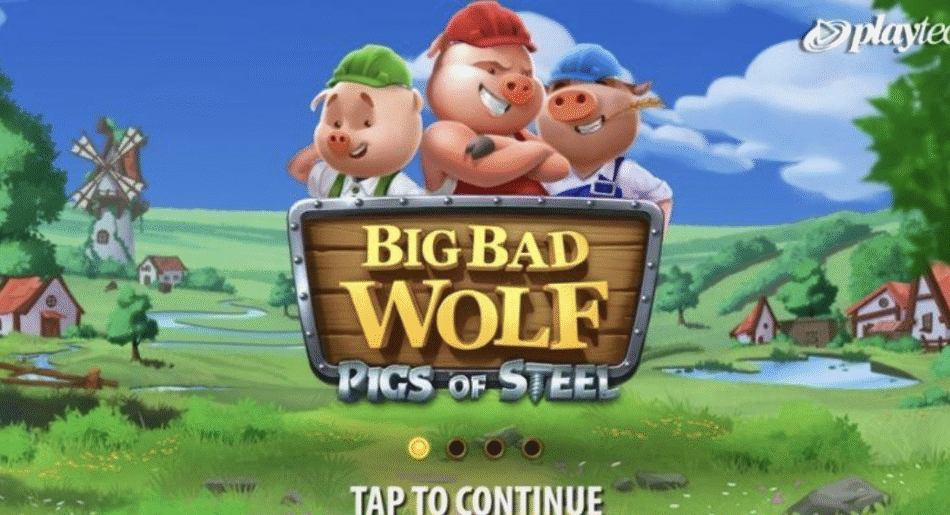
Big Bad Wolf: Pigs of Steel Review – Epic Playtech Slot Game
Get ready for a wild ride in Big Bad Wolf: Pigs of Steel, the latest smash from Playtech that amps up the classic fairy tale with tumbling action and massive wins.
If you’re chasing thrills and payouts up to 18,000x your bet, this game’s got the heat. Stick around as we break down the chaos, from wild pig upgrades to bonus blasts that keep the reels spinning hot.
Big Bad Wolf: Pigs of Steel Game Overview
Big Bad Wolf: Pigs of Steel drops you into a vibrant farm scene straight out of the storybook, but with pigs who learned from past huffing disasters.
Green fields roll out, windmills spin lazily, and little houses dot the landscape – all framing a 3×5 reel grid with 25 paylines snaking left to right.
Bets slide easy from $0.20 up to $100, fitting casual spins or high-roller pushes. RTP clocks in at 96.14% standard, climbing to 96.78% in some spots.
The pig trio rules as premium icons – red, green, blue – cashing 15x to 25x for full lines. Axe and trowel mids deliver 5x, and 10-A lows cap at 1x-2x.
Big Bad Wolf: Pigs of Steel Features & Highlights
What makes Big Bad Wolf: Pigs of Steel a standout?
The Pigs Turn Wild feature flips symbols into wilds after tumble milestones: red pigs go wild post-2 tumbles, green after 4, and blue after 6. That means more subs, more lines lighting up.
Then there’s Pigs of Steel, where removed pig symbols in wins add armor layers – 1 layer after 3 pigs zapped, 2 after 6.
Land 3 for the standard Bonus Game (10 spins, 1x multiplier start), 4 for Super (same spins, 2x start, sticky steel meter), or 5 for Ultra (3x start, both meters lock in).
In all, moon scatters collected (3 for +2 spins and double multiplier, 6 for another +2 and double again) crank the heat.
Base game meters reset per spin, but Supers and Ultras carry over for non-stop action.
| Feature | Trigger | Key Perk | Max Boost |
| Pigs Turn Wild | Tumbles 2/4/6 | Red/Green/Blue pigs to wilds | Endless subs in chains |
| Pigs of Steel | 3/6 pigs removed | 1/2 armor layers | Pigs survive 1-2 tumbles |
| Bonus Game | 3 wolf scatters | 10 spins, 1x multiplier | +4 spins, 4x multi via moons |
| Super Bonus | 4 wolf scatters | 10 spins, 2x multiplier, sticky steel | Up to 18,000x total win |
| Ultra Bonus | 5 wolf scatters | 10 spins, 3x multiplier, sticky all | Non-resetting wilds & steel |
Big Bad Wolf: Pigs of Steel Game Info
Quick specs to lock in before you spin Big Bad Wolf: Pigs of Steel. This Playtech gem launched as the next chapter in the Big Bad Wolf saga, following hits like the original and Megaways version.
| Info Category | Details |
| Reels/Rows | 5 reels, 3 rows |
| Paylines | 25 fixed |
| RTP Range | 96.14% – 96.78% |
| Volatility | High (5/5) |
| Min/Max Bet | $0.20 / $100 |
| Max Win | 18,000x bet |
Why Play Big Bad Wolf: Pigs of Steel?
Why dive into Big Bad Wolf: Pigs of Steel?
The tumbles keep wins chaining like fireworks, and those steel pigs turn defenses into offense, landing combos you didn’t see coming.
High volatility suits bold bettors hunting 18,000x hauls, while the fairy tale charm makes every spin feel like storytime gone rogue. Playtech nails the balance: easy to grasp for newbies, deep enough for vets with meter builds and multi-level bonuses.
Plus, at $0.20 entry, it’s low-risk fun that scales to $100 thrills. If you love slots where underdogs fight back, this one’s your jam – non-stop excitement without the fluff.
Ready to Huff and Puff Your Way to Wins?
Don’t let the wolf win without you in the mix. Head to Playtech now, grab those spins on Big Bad Wolf: Pigs of Steel, and watch the pigs steel up for glory. Your next big payout’s just a tumble away – spin today!