

Cardano Partners with Tech Giants on Privacy Project
Cardano is teaming up with major tech players, including Google and the Linux Foundation, to work on a new privacy-focused project called Nightstream. According to Cardano founder Charles Hoskinson, this initiative also involves several of the world’s top 10 companies. The goal is to improve privacy and security in blockchain technology using advanced cryptography.
Nightstream is building on lattice-based cryptography, a powerful and secure method that could be future-proof against threats like quantum computing. This technology is being integrated into a system that will eventually power Midnight, Cardano’s privacy-focused sidechain. Since launching last year, Midnight has attracted global developer interest and collaboration.
Right now, Midnight uses two main cryptographic systems: PLONK and Halo 2. PLONK handles zero-knowledge proofs, which allow users to prove something is true without revealing details. Halo 2 helps scale these operations efficiently. While this provides strong privacy today, Cardano is already working on upgrading the system to support more advanced and flexible cryptographic tools.
Hoskinson didn’t go into detail about what roles Google, the Linux Foundation, or other large partners are playing in the Nightstream project. But both organizations are known for leading work in post-quantum cryptography — a growing concern in the blockchain world as quantum computers could eventually break current encryption methods.
Hoskinson also had strong words for Ethereum’s approach to privacy and scaling. He criticized Ethereum’s use of zero-knowledge (ZK) tech, saying it was introduced just to help the network scale, not to protect user freedoms like privacy or free expression. While Ethereum has added rollups and recursion to improve scalability, it still relies on hash-based cryptography. Hoskinson believes this limits Ethereum’s potential because it lacks the advanced algebraic capabilities needed for more complex features.
In contrast, Cardano’s focus on lattice-based cryptography enables broader functionality. It can do everything Ethereum does, but it’s also designed to work with AI hardware. This opens the door for future integration with artificial intelligence technologies from companies like Nvidia, AMD, and Microsoft — something Hoskinson claims Ethereum can’t match.
He emphasized that even though Ethereum is a large platform, it doesn’t have the same backing or future prospects as companies driving the AI revolution. He doubts major tech firms will spend billions building custom chips just to support Ethereum’s current cryptographic methods.
Looking beyond Cardano, Hoskinson shared his belief that Bitcoin could reach $250,000, thanks to growing interest from institutions and governments. He pointed out that decentralized finance (DeFi) on Bitcoin — especially yield-generating products that don’t require custody — could boost adoption across the crypto space and benefit platforms like Cardano.
As of now, Bitcoin is trading at around $91,250, down 2% amid ongoing trade tensions between the US and EU. Cardano’s ADA token is priced at $0.3595, having fallen more than 8% over the past week.

Cardano Launches Nightstream for Advanced Privacy Tech
Cardano is making major moves in the world of privacy-focused blockchain technology. The project has teamed up with some of the biggest tech giants, including Google and the Linux Foundation, along with other Fortune 10 companies, to develop a new initiative called Nightstream. This project is centered around building advanced privacy tools using cutting-edge cryptography.
According to Cardano founder Charles Hoskinson, Nightstream will form the foundation for Midnight, Cardano’s privacy sidechain. The team is working on integrating lattice-based cryptography into a new system called a “folding scheme.” This approach is designed to be more secure and future-proof, especially as quantum computing and AI continue to evolve.
Currently, Midnight uses two major technologies: PLONK and Halo 2. PLONK handles zero-knowledge proofs (a way to verify information without revealing it), while Halo 2 helps scale the network. These tools give Midnight strong privacy protections, but Hoskinson believes there’s room for even more advanced systems.
The new direction aims to replace traditional cryptography with universal primitives based on lattice cryptography. These are better suited for long-term security and can be used with AI hardware, making them more adaptable as technology grows.
Hoskinson also criticized Ethereum’s use of zero-knowledge technology. He believes Ethereum’s approach is too narrow and was originally focused only on scaling the network, not on giving users true privacy or freedom. He pointed out that Ethereum’s infrastructure relies on hash-based systems, which lack the mathematical depth needed for future innovation.
In contrast, Cardano’s lattice-based approach offers more flexibility and can support features beyond what Ethereum currently offers. It also aligns better with AI hardware, which big tech companies like Nvidia and AMD are heavily investing in. Hoskinson argued that Ethereum can’t compete with the massive resources behind these tech giants.
He also shared a bold prediction: Bitcoin could reach $250,000, driven by growing interest from institutions and governments. He sees Bitcoin-based DeFi—especially non-custodial yield products—as a key driver of adoption that could also benefit Cardano in the long run.
At the time of reporting, Bitcoin is trading at $91,250, down 2% due to ongoing global trade tensions. Cardano’s ADA token is priced at $0.3595, having dropped over 8% in the past week.

Altcoin Market Collapse: Millions of Tokens Fail in 2025
**Altcoin Market Faces Harsh Reality: Millions of Projects Fail, Few Survivors Thrive**
In 2025, the crypto world saw a massive collapse — over 11.6 million crypto projects failed. At the same time, meme coins and artificial intelligence (AI) tokens hit sky-high prices briefly, only to crash soon after. While Bitcoin reached new all-time highs, most altcoins stayed far below their peak values — some by as much as 90%.
**Why Altcoins Are Falling Behind**
A well-known crypto analyst argues that this isn’t just a delay in the market cycle — it’s a deeper problem. The money in crypto is now mostly focused on Bitcoin and a few large assets. Smaller coins aren’t getting the attention or investment they used to. A lot of the money that once flowed into altcoins is now locked up in regulated Bitcoin investment funds like ETFs and corporate holdings.
This shift is making it harder for new or smaller projects to grow. It’s no longer just about waiting for the next “alt season” — the part of the cycle when smaller coins explode in price. The structure of the market itself may have changed.
**The Extinction of Small Projects**
The number of failed crypto projects in 2025 alone was larger than all previous years combined. This isn’t just a market correction — it’s being called an “extinction event” for altcoins. Many of the coins that did survive didn’t have much real use or value. Meme tokens and AI coins saw billion-dollar valuations, despite having no real users or products. Most of those have since crashed to near zero.
At the same time, there are still more than 70 layer-1 blockchains (like Ethereum alternatives) each worth over $100 million. But most of them have little to no user activity. The claim is that venture capitalists are simply passing money around while regular investors are left holding the bag.
**Big Money Stays in Bitcoin**
Charts show that more money is flowing into top cryptocurrencies and away from smaller ones. In 2021, we saw funds moving into small altcoins, driving up their prices. But since 2022, that trend has reversed. Now, capital is being pulled out of smaller projects and pumped into top assets like Bitcoin.
One reason is the constant release of new tokens — especially from early backers and venture funds. In just the first two months of 2026, around $4.6 billion worth of tokens entered the market. This rapid increase in supply puts downward pressure on prices unless there’s equally strong demand — which there isn’t right now.
Also, about $200 billion worth of Bitcoin is now held in U.S. ETFs and corporate treasuries like MicroStrategy’s. This money can’t legally be moved into altcoins due to regulations. So even if investors wanted to shift into smaller projects, they often can’t.
**Regulations and Lost Trust**
Upcoming laws like the Clarity Act could further divide the crypto space. It may create a two-tier system — one for top coins like Bitcoin and Ethereum that get legal approval, and another for everything else that’s kept out of mainstream finance.
The public image of crypto has also taken a hit. After high-profile collapses like FTX, Luna, and Celsius, many people outside the space now see crypto as a scam. Regulators didn’t kill altcoins alone — the industry hurt its own reputation.
Meanwhile, traditional markets are doing well. In 2025, the S&P 500 returned around 18%, and stocks like Palantir gained over 130%. Even gold and silver outperformed many altcoins. With safer investments offering solid returns again, there’s little reason for retail investors to return to high-risk crypto projects that have already cost them money.
**What Comes Next?**
A new altcoin boom isn’t completely off the table. It could happen if developers start building real products with actual users and revenue. But a repeat of the 2021 “everything pumps” cycle looks unlikely. If anything, there may be a shift toward a few trusted “blue chip” crypto assets while millions of other tokens stay dead.
For investors, this means rethinking how much of their portfolio is in crypto — especially altcoins. Experts warn that waiting around for another big alt season could mean missing out on gains in other markets. Crypto is still extremely risky, and putting all your hopes on it coming back strong might not be the best move.
The bottom line? The crypto world has changed. Big money is sticking with Bitcoin. Small projects are struggling to survive. Regulation is tightening. And trust has been broken. Betting on a wide recovery across all altcoins may no longer be about timing — it might be about whether the industry can earn back the trust it lost.
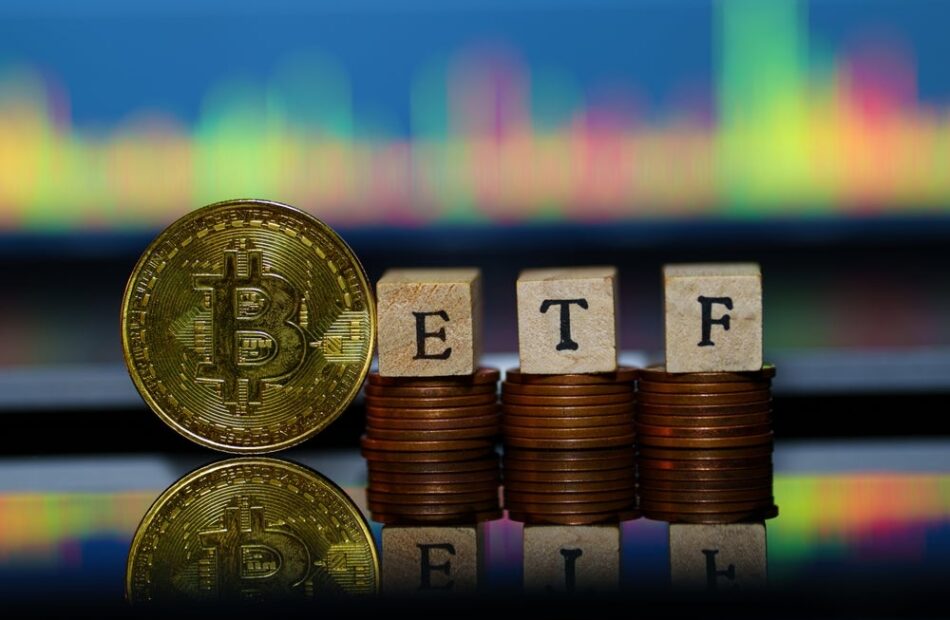
Crypto ETFs Gain Popularity as Mainstream Investments
**Crypto ETFs Are Becoming a Mainstream Investment Tool**
Cryptocurrency ETFs (exchange-traded funds) are no longer just niche products for hardcore crypto fans. They’re quickly becoming popular tools for investors looking to tap into growth and innovation—similar to how people invest in tech stocks or high-growth sectors. Roxanna Islam, Head of Sector and Industry Research at VettaFi, explains that many investors now treat crypto like a “sector” to express their belief in future technology trends, rather than just as a risky alternative asset.
**Crypto Is Still Unique, But It’s Acting Like Tech**
Even though crypto remains highly volatile, it’s increasingly being used in portfolios like other high-growth investments. Islam says crypto ETFs behave much like high-beta strategies—meaning they move a lot when the market moves. This makes them act similarly to sectors like artificial intelligence or semiconductors.
There are two types of crypto ETFs: spot crypto ETFs and crypto equity ETFs. Spot crypto ETFs invest directly in assets like Bitcoin and Ethereum. Meanwhile, crypto equity ETFs invest in companies related to the crypto space, such as mining firms or blockchain developers. These equity-based ETFs often overlap with other tech themes, especially AI and fintech.
**Crypto Flows Act Like Tech—But More Extreme**
Investor money tends to flow into crypto ETFs during bullish markets, just like it does with tech stocks. When markets are hot, crypto ETFs attract a lot of attention. But when things cool down, that interest drops quickly. Islam notes that crypto ETF flows are more intense—like tech stocks on steroids. They respond fast to news headlines and macroeconomic shifts.
During strong market rallies, crypto ETFs often compete directly with technology funds for investor money. However, due to their higher price swings, they’re still seen as riskier than regular tech investments.
**Short-Term Traders vs. Long-Term Investors**
The behavior of investors in crypto ETFs is split into two groups. Some are short-term traders who jump in and out based on news and price moves. Others are long-term holders who stick with their investments even when prices drop. Islam points out that the steady growth in total assets under management shows that more people are starting to treat crypto ETFs as part of their long-term strategy.
There’s also a difference in how people use Bitcoin and Ethereum ETFs. Bitcoin funds are more often seen as long-term core holdings. Ethereum ETFs, on the other hand, tend to behave more like tech stocks and are used for shorter-term tactical plays in a diversified portfolio.
**ETFs Make Crypto Easier for Everyone**
One big reason for the rise in popularity is that the ETF format makes investing in crypto much simpler. You don’t need to set up a special wallet or deal with a crypto exchange. Islam says ETFs give investors exposure to cryptocurrencies with the same ease as buying any regular stock or fund—even though the underlying assets are still volatile.
**Crypto ETFs Could Be a Key Liquidity Source in Tough Times**
Looking ahead, crypto ETFs could play an important role during market downturns. Because they’re easy to buy and sell, they can be a go-to option for investors looking for quick liquidity. Islam adds that while some investors may pull back when prices fall, many long-term holders actually take advantage of dips to buy more.
**Key Takeaways:**
– Crypto ETFs are now used like growth sector investments, not just alternatives.
– Their behavior closely mirrors high-risk sectors like tech and AI.
– Investor flows into these funds rise sharply during rallies and fall during pullbacks.
– Bitcoin ETFs are treated more like core holdings; Ethereum ETFs act more like tech stocks.
– The ETF format makes crypto investing easier and more accessible.
– Crypto ETFs could provide liquidity during volatile markets.
**Relevant Keywords:**
crypto ETFs, Bitcoin ETF, Ethereum ETF, blockchain stocks, thematic investing, high-beta growth strategy, fintech, AI investing, sector allocation, ETF flows, market volatility, long-term investment strategy, short-term trading, investor behavior

Crypto’s New Era: Beyond the Bitcoin Halving Cycle
The crypto market might be changing, and the old four-year cycle driven by Bitcoin halving events could be losing its power. For years, Bitcoin’s halving—where rewards for mining are cut in half—was seen as the key event that triggered bull runs followed by crashes. But now, experts say the game is changing.
A recent study from Wintermute, a major market maker, says big players like financial institutions are having a bigger influence than before. Products like spot Bitcoin ETFs (Exchange-Traded Funds) are now pulling money in and out of the market in ways that don’t follow the old halving cycle pattern.
So far this year, Bitcoin is up about 7%, and that small gain has helped boost the entire crypto market. Money is flowing back into top cryptocurrencies, and momentum is building. But there’s a key resistance level that Bitcoin keeps hitting, and traders are watching closely to see if it can finally break through.
Wintermute and NYDIG Research believe this recent price rally isn’t just about investors taking on more risk. They say it’s tied to global events—like rising political tension in the U.S.—and changes in how money moves in and out of crypto.
One big reason for the renewed interest in crypto is growing political uncertainty. Investors are nervous about U.S. politics, including ongoing tensions between Donald Trump and the Federal Reserve. Trump’s attacks on Fed Chair Jerome Powell over interest rates have raised concerns about inflation, central bank independence, and a weaker U.S. dollar.
Bitcoin stands out because it isn’t controlled by any government. Its fixed supply makes it appealing when people worry about traditional currencies losing value due to poor policy decisions or inflation. As trust in fiat money declines, more people may turn to assets like Bitcoin that can’t be printed or manipulated.
There’s also a larger economic trend helping crypto: global money supply is hitting record highs. This kind of environment usually supports hard assets like Bitcoin and gold. While Bitcoin and gold don’t always move together, both are seen as rare stores of value that exist outside government control.
Another factor helping prices: less selling pressure. At the end of every year, investors often sell underperforming assets to offset gains for tax purposes. That wave of selling usually stops when the new year begins, giving markets some breathing room.
Wintermute also noted a deeper shift in how the crypto market works. Institutional tools like ETFs and trusts are now dominant, especially for large cryptocurrencies like Bitcoin and Ethereum. These tools bring in steady investment but don’t spread that money into smaller altcoins like they used to. This change means the typical “altcoin season” pattern—where gains from Bitcoin move into riskier coins—isn’t happening the same way.
Past events have also added pressure. In October, heavy liquidations wiped out traders on some exchanges. These platforms were left holding long positions, which added more selling pressure until they cleared out those trades.
The big question now: Is the four-year Bitcoin halving cycle still valid? Historically, halvings led to price surges followed by wider market booms and busts. But Wintermute believes that pattern may be breaking down. According to their analysis, 2025 didn’t deliver the kind of rally many expected after the last halving. This could mean crypto is becoming a more mature asset class, less driven by speculation.
In previous years, profits from Bitcoin typically flowed into Ethereum, then into mid-sized and small altcoins—a domino effect known as “rotation.” But Wintermute’s trading data shows that this pattern is getting weaker. Retail investors in 2025 focused more on stocks than crypto, especially hot sectors like artificial intelligence, rare earths, and quantum computing.
Looking ahead to 2026, Wintermute thinks the focus will shift away from hype and more toward where capital is moving next. This rotation of money could be a key reason why crypto prices may continue to rise this year.
For the next big breakout to happen, though, institutional demand needs to expand beyond just Bitcoin and Ethereum. ETFs and corporate buyers can’t stick to just a few assets forever. Signs of change are already showing up with new products like spot Solana (SOL) and XRP ETFs starting to trade. More altcoin ETF filings are also moving through the approval process.
Lastly, there’s what’s called the “wealth effect.” When big coins like Bitcoin or Ethereum go up, early investors see profits. Some of that money often flows into smaller altcoins, creating new waves of interest and price growth across the wider crypto market.
In short, crypto is evolving. The old four-year roadmap may no longer apply as new forces shape the way money moves in this space. Institutional investors, political uncertainty, macro trends, and shifting investor behavior are now driving the story—and they may push prices even higher in 2026.