
Cardano Achieves Full Decentralization, Eyes Future
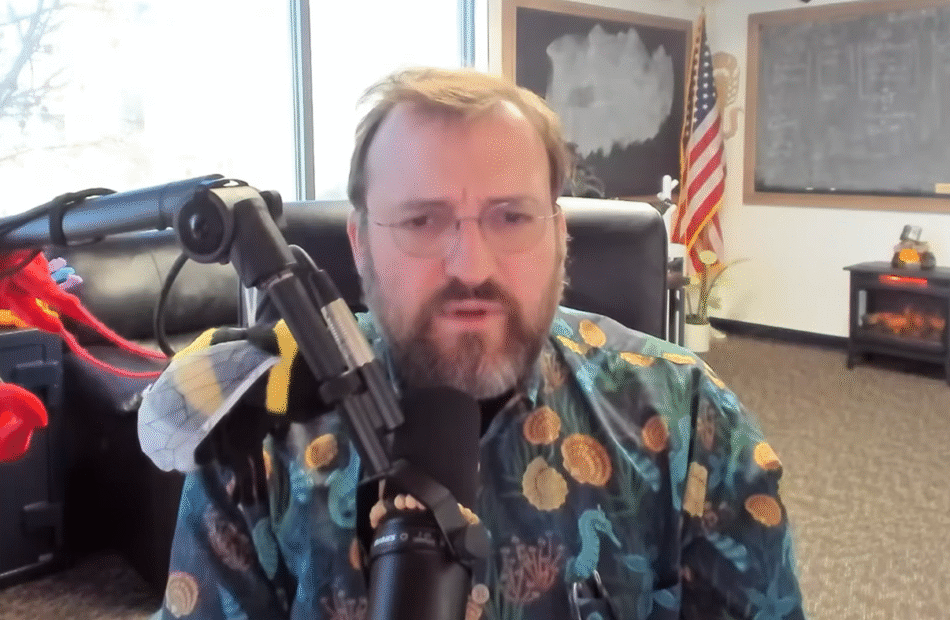
Cardano has officially reached a major milestone: full decentralization. According to founder Charles Hoskinson, this is a game-changing moment for the crypto world — even if the market hasn’t fully realized it yet. Speaking on October 30, 2025, Hoskinson said, “The best days are ahead of us. Cardano is here. We’re fully decentralized. We’ve built solid governance, and we’re just getting started.”
Instead of focusing on price charts, Hoskinson emphasized the bigger picture: legitimacy and long-term value. He pointed out that crypto has been through extreme ups and downs over the last 15 years — from Bitcoin’s early rise to $1, to its all-time high over $100,000 — yet it continues to grow stronger. According to him, price volatility is just noise. What really matters is why people are still here.
His answer? People are losing trust in traditional systems. “Do you believe the money in your wallet will hold value in 10 or 20 years?” he asked. “Do you feel like your voice matters?” If not, that’s exactly why crypto exists — to build better systems for money, governance, and the economy.
Hoskinson highlighted Cardano’s journey from centralized governance to a fully decentralized model in just one year. Many doubted it would work, predicting chaos. But Cardano proved them wrong. The network is running smoothly, and Hoskinson believes this success can serve as a roadmap for others.
He argued that crypto has moved beyond hype and ideology — it’s now about real-world use and impact. Crypto isn’t just for speculation anymore; it’s starting to play a role at the scale of entire nations. Hoskinson predicted that by 2030, more than half of Argentina’s economy could be powered by crypto. He also said blockchain could manage their voting, identity, supply chains, and money.
According to him, crypto already serves over 500 million users and is on track to reach 1 billion people within the next 3 to 5 years. This growth isn’t fantasy — it’s the new reality of a trillion-dollar economy that evolves on its own every day.
Hoskinson drew a clear line between true decentralized crypto and centralized finance projects using crypto technology. He said stablecoins backed by traditional assets are not real cryptocurrencies — they rely on trust in companies, not code. Some blockchains are being built by centralized entities trying to control the space. But real crypto, he said, “can’t be bought” and “won’t die.”
Looking into the future, Hoskinson warned of a new kind of risk: algorithmic control of our lives through digital systems and AI. In the next 25 years, he said, everything physical will have a digital version — from restaurants to your identity — and AI will be the lens through which we experience reality.
That’s why blockchain matters now more than ever. “How do you know what you see is real?” he asked. “Blockchain is the only answer.” He mentioned Cardano’s upcoming privacy-focused project, Midnight, as part of the solution.
He also warned about major global risks: a potential economic depression in the U.S., rising tensions with China, and even threats to democracy itself within 10 to 20 years. If those things break down, Hoskinson believes crypto will be the toolkit we use to rebuild — from money systems to identity and voting.
Hoskinson reflected on his own journey too. Unlike many early crypto founders who’ve retired or stepped away, he’s still in the fight. After some time off in Europe considering retirement, he chose to stay because he feels happiest leading this movement.
He ended his speech with a powerful message: Cardano has everything it needs — full decentralization and strong governance — but it’s far from done. He praised other blockchain ecosystems like Solana, Avalanche, Bitcoin, Ethereum, and emphasized unity across the industry.
For Cardano holders worried about market dips or price drops, Hoskinson had a clear message: stay focused. “These little market slides? You won’t even remember them in a few weeks,” he said. “The big picture is what matters — and in the long run, we’re going to win.”